Last week, our American friends invited us to visit the camel bazaar outside Cairo (on the Giza/Sakkara road). We’ve been living here now for just short of three years and I have never been outside of my comfort zone so much in my life. It is literally a daily thing. It is good for me – especially for spiritual me. Not only does it teach me plenty about the world around me, the people of this country, their strange culture and their fanatic religion, but it also teaches me a lot about myself. Living in a culture where you do not understand the language and isn’t even able to read their alphabet or have the same traditions and customs or worship the same God, things can get quite uncomfortable.
It isn’t necessarily a bad thing being out of your comfort zone. It confronts one’s own beliefs, upbringing, culture, customs, world view and lifestyle when you are thrown into a world where nothing is familiar or make sense to you. Not only do you question the behaviour of the people around you, but you question your own. It is not a once off thing, but an ongoing everyday introspection. And not only do you learn to value what is ‘own’ to you, but you also learn to embrace and appreciate diversity. Very early on in our stay here, I have decided that I don’t understand much (not even a reasonable bit) of this culture, but that I am not even going to try to understand it. It makes life here a little bit easier and less complicated to observe rather than to label.
Back to the camel bazaar. I’m sure that this place wouldn’t even exist in a Western country. It’s a raw experience. Camels, by their hundreds, maybe even more, are brought together on a Friday morning to be sold I was told, mostly for meat. Men and (some very young) boys herd the animals – hopping along on three legs as one of the front legs is tied with rope to keep the animal from running away – towards the various ‘auction stations’ with long bamboo sticks. It isn’t a pretty picture to see. On the surface and in the viewpoint of a foreigner like me, it is a harsh place for a camel to be. And also for the people involved.
Upon arriving there, we were only four females in a sea of males – something that already pushes the discomfortometer into the red. The sticks hitting the camels’ bodies – be it on the humps, legs or head – is another difficulty to deal with. Furthermore, none of the camels looked like they had the potential for dinner I would want to see on my plate.
But I realised that it wasn’t my world. It wasn’t my place to judge. With that I don’t condone the behaviour of the people or the suffering of the animals. Sometimes in life things just are what they are – people making a living, surviving the only way they know how to the way they did for centuries – maybe even millennia. My disliking it, my discomfort and the fact that I might disapprove of their way of doing as a foreigner in their country, is not going to change that. I’m not going to alter a country’s culture, customs and actions which are way older than my own culture. What I should do is learn to appreciate it for what it is.
I realised that I would probably be out of my comfort zone many, many, many more times in the period we have left here in this interesting, phenomenal country. How I handle my discomfort is what is important. If I can’t change people’s behaviour or world view, I can at least work on my own. I can learn to value the diversity of this place and the other countries we are visiting, as well as that of my own country when we go back. Hopefully, when we are back in our own culture – which is just as diverse – I will be able to feel less uncomfortable in the mixture, while still staying true to my own upbringing and beliefs and being more tolerant towards people who are different from me.
In the end, when one sees the bigger picture from a forever-living-worldview, we are reminded that we who confess Him as our Saviour are one body in Messiah (Romans 12:5). One day we will be immersed into His culture and all the discomfort of worldly customs, poverty and illness will be something from the past.
PS: I spelled necessarily correct without using spell check or a dictionary.
“All animals are equal, but some animals are more equal than others.”
― George Orwell, Animal Farm
A lot of things happening in the past months and recent years made me think real hard lately. Life had changed in almost every way in the past decade, thanks to technology and other developments – some for the better and some for the worse. Our world had become used to terrorist attacks in the form of shootings, knife attacks, sexual assaults, cars and trucks ramming into people, people getting beheaded etc. This last year we saw laws, policies and governments change – strange changes that are still very difficult to believe or to get used to. I’m starting to think that maybe it is a totally natural thing that is happening. In history we had build-ups like these which led to the tower of Babel, the Flood, the Crusades, the First World War and WW2. Talk is that we might already be in the middle of a Third World War of sorts.
When a bucket gets too full of water, it overflows – naturally. There is a saying: Give a person enough rope and he hangs himself. Bucket overflowing or too much rope? It’s the same thing. Balance always needs to be restored somehow. The Western world is playing with its very, very long rope and so is the anti-Western world. And as individuals, agreeing or not agreeing with current directions, we are all steered into, hanged along and sacrificed in the process as collateral damage.
We live in a world where our words, our Twitter feeds, our Facebook statuses, our email (only normal people, not presidential candidates apparently) could get us fired – not only for big things like threatening state security or threatening people or libelling or acknowledging theft (except if you find yourself in certain positions in certain governments) or something immoral like that, but also for being moral. For having values and principles. For believing in the God of the Bible and the Word of God. And for having the audacity to have opinions about religious or any other fundamentalism, abortion, marriage, parenthood, crime, gender issues, sins and the likes. Defend unborn babies, marriage between a man and a woman and stand up for your rights if you are not a person of colour and whatever you say is branded as ‘hate speech’ – no matter if and how sympathetic you are towards these issues in general.
There is no room in the world anymore for a person to speak freely without being branded or bearing far reaching consequences. We are being told what opinions to have, what to think and what causes to support. Would anyone in the Golden Globe audience have had the courage to disagree with the actress’ speech the other night? Probably not, because she was speaking on behalf of the ‘trend’ right now and no-one with a reputation to uphold can afford to think differently? There was a time when, even if they were wrong, people could speak their minds in the democratic West.
We are navigated into believing that it is our right and even our privilege to live perversely. Consequences for our actions and responsibility for our choices aren’t relevant anymore. Sin had become a non-mentionable word. And where does God fit in? Well, He just doesn’t, does He? Modern man – oops, sorry! – Modern, genderless, colourless, faithless person is its own god now. All that matters are ‘it’, ‘itself’ and ‘its’ inner-god, and happiness is its ultimate goal and religion. Its behaviour, lusts and needs are to be practiced to ultimate satisfaction. Anything goes in our little ‘self-god’ world. And the little gods are not bothered for one moment that they are ignoring their Maker’s Instruction Manual. It is like a person trying to use a refrigerator as a washing machine. The plug will fit into the wall socket and the power will go on, but the water put in will freeze as the clothes stay dirty. Eventually, the person would have to reassess and use the appliances for the purposes they were manufactured for.
Life is like that too. Nature has to go its way and imbalances have to be addressed. If man doesn’t do it, God does. And His way is never the easiest way for man.
Be blessed and stay strong, because we are living prophesy.
The LORD hath made all things for himself: yea, even the wicked for the day of evil. (Proverbs 16:4)
This will be recorded as one of my most beautiful memories ever. We are on an Egypt Air flight from Amsterdam to Cairo.
Deon and I always listen to Paul Wilbur’s ‘Shema’ together on shared earphones when they play the Islamic prayers on the small screen – something that is done before every flight. Normally I switch my phone off after this, because I want to keep it charged should I need to make a call after we have landed. But today I keep listening. The time between sitting on the tarmac and take off can be a bit boring sometimes.
It is a majestic feeling when a plane jets into the air with the forceful sounds of Verdi’s ‘Nabucco’ in your ears. Outside the lush green landscape of Amsterdam is left on the ground as the plane swoops through the thick clouds to glide above them. This is one of the most beautiful pictures my eyes ever had the privilege of seeing! The cotton wool-like clouds are bundled onto each other with no earth to see down below. The music is still playing while I hear my spirit whisper in my heart: “Thanks for beautiful things, Father!” and “Thanks for all the undeserved treats. Thanks for all the places we see that I’ve never thought I would see and thanks for seeing some more than once!”
And then I heard the Halleluja choir with ‘Ode to Joy’ and Susan Boyle sings ‘Then sings my soul’, while mine sings with. I ‘halleluYAH’ on with Leonard Cohen and Delaney en Bonnie’s ‘Never Ending Song of Live’ follows passionately. Then André Rieu’s orchestra played “Auld Lang Syne’ and I long to be with my family and I wonder what they are all doing on this spring Sunday afternoon in South Africa. While I’m still wondering Neil Diamond makes a ‘Beautiful Noise’ and on the note of ‘Hava Nagila’ I have to close the plane window a bit, because the son reflects quite sharply from the Alps down below.
My finger chooses Josh Grobin’s ‘Jesu, Joy of Man’s Desire’ almost automatically, because one always tends to feel closer to heaven so high up in the air.
In the aisle seat Michael sat cramped-in and reads his new book and in the middle, next to me Deon rests on his forehead against the front seat, trying to sleep. I trust on his cell phone today should we need to make calls on the other side. For now my phone’s battery will help Josh fly high above the clouds over Europe.
Afrikaans
Hierdie sal in my onthou opgeteken word as een van die mooiste memoeries ooit! Ons is op ‘n Egypt Air-vlug oppad terug van Amsterdam na Kaïro.
Ek en Deon luister altyd na die ‘Shema’ van Paul Wilbur oor gedeelde oorfone as hulle die Islamitese gebede op die klein skerm wys – iets wat voor elke vlug gedoen word. Normaalweg skakel ek my foon hierna af, omdat ek nie die battery wil pap maak nie vir ingeval ek dit nodig sou kry nadat ons geland het. Maar vandag hou ek aan luister. Die tyd tussen in die vliegtuig sit op die aanloopbaan en opstyg kan nogal vervelig wees.
Dis ‘n majestieuse gevoel as ‘n straler opstyg met Verdi se ‘Nabucco’ se klanke in jou ore. Buite het ons die lowergroen landskap van Amsterdam op die grond gelos en die vliegtuig het die dik wolke ingeswiep – na waar ons bokant hulle sweef. Dit is een van die mooiste, mooiste prentjies wat my oë ooit die voorreg gehad het om te sien! Die wolke is soos watte-berge op mekaar gestapel, met niks aarde onder ons te sien nie. Die musiek hou aan speel, terwyl ek my gees in my hart hoor fluister: “Dankie vir mooi dinge, Vader!” en “Dankie vir al die onverdiende voorregte. Dankie dat ons plekke kan sien wat ek nooit gedink het moontlik is nie en party wéér kan sien.”
En toe hoor ek die Halleluja-koor en ‘Ode to Joy’ en Susan Boyle sing ‘Then sings my soul’, terwyl myne saam sing. En ek ‘halleluYAH’ verder saam met Leonard Cohen. En Delaney en Bonnie se ‘Never Ending Song of Live kom tussen-in en toe ek weer hoor, speel André Rieu se orkes “Auld Lang Syne’ en ek verlang na my familie en wonder wat doen hulle op dié lente Sondagmiddag in Suid-Afrika. Terwyl ek nog wonder, maak Neil Diamond ‘n ‘Beautiful Noise’ en op die nota van ‘Hava Nagila’ moet ek eers die vliegtuigvenstertjie ‘n bietjie toetrek, want die sonnetjie skyn nogal skerp so hoop bo in die lug waar dit van die Alpe af reflekteer. My vinger kies so half outomaties Josh Grobin se ‘Jesu, Joy of Man’s Desire’, want ‘n mens voel mos maar altyd ‘n bietjie nader aan die hemel so hoog bo in die lug.
In die gangsitplek sit Michael ingeprop en lees sy nuwe boek en langs my in die middel, sit-lê Deon op sy voorkop teen die sitplek voor hom en probeer slaap. Ek vertrou maar vandag op sy selfoon, sou daar ‘n ‘vir ingeval’ anderkant die landing wees. Vir nou help my foon se battery eers vir Josh om hoog te vlieg bo die wolke bokant Europa.
Just keep reading. The advice part comes at the middle of the article…
Struggling to Focus
I really struggle to focus when it comes to my writing. To focus – not to concentrate. I can sit and do the same thing for hours. Unless I’m on my phone. Then I have the intention span of a two year-old and I can forget what picture I want to open only half a second after I’ve made the decision. I don’t have a search for the reason for my problem, because I know what the cause is. Ideas. I have too many of them. While I am busy researching links for my Writing Club Facebook page, I think of a new short story that I want to write and then I think of a great idea for my next blog entry and while still busy with that I’m struggling with the plot problem of my decade-old novel.
Multitasking towards Scatter Brain Syndrome
Every weekend I think of what to do the next week and plan it in my head, but come Sunday (when the work week starts where we currently live) I sleep too late, spend too much time on my phone checking Facebook, play Words with Friends or find something interesting that I have to do Bible study on. So by 10:30 I realise that our bedroom needs tiding, the building cats want food, our son wants to sound his view points on his latest university essay with me and while I’m listening to him, my mind wanders to have yet another few writing ideas on another few projects.
Am I too scatter-brained or do I have too many ideas? I can’t always determine, but I know that whichever it is – or maybe it’s both – it makes me unproductive. Having ideas as a (would-be) writer can only be good, can it not? I rarely have had problems with writer’s block in my life. That must be a good thing, mustn’t it? Having lots of ideas is good. But it doesn’t help if any of those ideas ever get finished. Oh, I have finished manuscripts in my cyber Dropbox drawer. It’s not if I can’t finish anything. I can sit down and work on a long project to finish it. It’s just that I can’t finish everything that I want to, because I don’t know what to work on and what to leave.
I do something and then I leave it and then I do something else and then I leave it when a new idea pops into my head. I know I have this problem. And I have tried to overcome it many times. I am currently in one of those phases. I have decided to finish my Writing Club business idea. I have started well. Then I got sick. And now, a week later, I am writing a blog while still editing a short story whilst I should be busy with that instead.
The problem I find with my writing – as also in other areas of life – is that I try to multitask, in spite of being a hater of multitasking. Because I multitask in life too. I start tiding the bedroom, and when putting away some stuff in the bathroom, I see that the toilet need urgent cleaning and when I go to the kitchenette to fetch the cleaning products, I wash the morning coffee mugs and then remembered that my son didn’t have breakfast yet and when I take his breakfast to the TV room where we normally have it together, we watch the breaking news and I quickly do some research on some of the facts the reporter gave and then I see some interesting article that I have to share to my Writing Club Facebook page and while on the computer I see that there are some messages from my family group on WhatsApp Web and then I get involved in a who-looked-more-like-whom baby pictures debate and when it cools down I see more interesting articles on writing and read a few, and get new ideas for blogging and then my husband called to hear if I have started doing research for our trip and then I get into the mood to finish my short story and I write for an hour. And when I finally come to my senses again, the bedroom is still untidy, the toilet is still not cleaned, the coffee mugs are dirty again after having breakfast though, the breakfast plates had to be cleaned, there is new breaking news on TV, the family had decided that the baby looks like herself, my Facebook page have more notifications, my short story is still not finished, I haven’t done the research for our upcoming trip and I realise that I haven’t thought about what we’ll have for dinner. Then I leave everything I’ve been busy with and rush to the kitchen…
That’s my life. It’s not perfect. I frustrate myself. Days and weeks and months and even years fly by and I’m not getting done what I want to get done. In a few years’ time I will probably look back and ask my husband and son: “What have I done with my time?!” And they will probably remind me to read this blog entry to answer myself.
Having many ideas is a good thing. For creative people it is a wonderful thing. But if you can’t channel those ideas into some productiveness, they will always be just… ideas. Ideas means nothing if they sit in your head. They have to be acted upon – just like dreams. Ideas also have a tendency to get ‘stolen’. If you don’t do something with an idea, someone else, who is more focussed will and before you know it, another opportunity will be lost.
A Few Tips
Multitasking must be killed. We must live in the moment and concentrate on the task at hand – one at a time. Here are a few ways to try to do it. Let’s try it!
Focus
With the Olympics on, I couldn’t help to recognise again the athletes’ commitment to their respective codes. The archer’s focus on the target is a good example of how we as writers or other artists or people of any other career should learn to focus on one thing at a time. The archer can only hit one target with one shot. If his focus is on anything other than only his target, he surely will miss. Focussing on one writing piece at a time will eventually means that one project will be finished. And if that one is finished a next one will get finished and a next and a next.
Do Something Productive with those too Many Ideas – Make a List
Write down all the writing projects ideas you have in your head. By getting them out of your head and onto paper, you can start focussing on getting them done. Keep this list close and update it as you get new ideas.
Then Make a ‘To Do’ list
Now make a ‘To Do’ list. Decide what it is you want to achieve with your writing. Be very, very honest with yourself and focus on your strong points. Identify the projects that will be the most probably to get published and/or bring in some money. Prioritise you list. Then start and finish the first priority project on your list.
Don’t Move on Before a Task isn’t Finished
Don’t move to number two on your list unless number one is finished. In the case of number one being writing your novel, you can do blogging or other smaller projects in between, but always finish the allotted daily writing time for your priority project first, before going on to doing the smaller ones.
Plan your day– Have a Routine
You know the saying, ‘Fail to plan, plan to fail.’
If that archer didn’t practice for hours every day, he wouldn’t have made his country’s Olympic team and he wouldn’t have been able to win the gold medal. If he failed to aim at his target, he would have failed to hit it. If you want to go on holiday in Greece, you need to plan to take leave, buy plane tickets and book accommodation. Otherwise you will remain where you are. If you don’t plan anything, you won’t get anything done. It is as simple as that.
‘Go to work’
My husband gets up at the same time every morning, showers, clothes himself, takes his bag and goes to work. And he remains there for eight hours of every five week days – working. For that he is rewarded with a salary at the end of every month. Input equals output.
Some writers have a day job and write for an hour or so every evening and some more over weekends. Well-known writers had got published for the first time this way – by writing only for a short time every day. Every day.
Some writers have the privilege of staying home and have more time than others to write. If you are one of those and still struggle to fill at least a few hours every day writing, you have to become more creative with managing your time and the way you work.
Identify your favourite writing place in your house/garden.
Decide on what part of the day your writing hours will be.
When the time arrives, literally pack your writing tools (laptop, notebooks etc.) in a bag and walk out of the house, through the garden (if you have one), back into the house and to your working place.
If possible, leave your phone ‘at home’ or switch to silent.
Stay at your working space for the time you have allocated.
If you have a whole study or office as working space, close the door after you have finished and open it again at the beginning of your writing period. This way you know that you can shut down and have time to do things with your family without feeling guilty, because you have already done your writing for the day.
Be jealous about your writing hours. Allow no disturbances, other than real Don’t make unnecessary appointments for those hours and say no to appointments that can be made for another time.
These tips may seem like common sense and they actually are, but we certainly tend to lose our common sense when we get distracted. Keeping to a regular routine and staying disciplined helps to divide between your living and working spaces and may help you to get into the right mind for doing more productive work.
Keep a writing log
I’ve started doing this years ago, stopped and started again. I make a simple monthly spreadsheet and write down what writing related work I do every day, including reading. (I also keep a separate yearly reading list.) My columns include, Writing, Editing, Reading, Blogs and Other (like time spent updating my Facebook Writing Club page or journal writing). I blot out days that we travel and on which it isn’t possible to write, although some travels can offer wonderful writing time.
Keeping a writing log shows you how many hours per day you effectively spend on your writing projects and it serves as a motivational tool to better your productivity from month to month. It also helps with planning your writing schedule, because you can see how much time you need to spend on certain projects.
Take Stock Every Week, Month and Year
At the end of every week, month and year, evaluate your writing effort. Check your ‘To Do’ list and see what you have achieved. Go through your monthly writing logs and see where you can improve your productivity. Make changes and stay focussed – one task at a time.
Keep a Personal Journal
If you don’t keep a journal I have a question for you: Why on earth not?! Apart from being a therapeutic tool to write down your emotions, problems goals, dreams and feelings, your journal can be a treasure chest of ideas. Many of my journal entries have become blog entries. It also serves as a reminder of the dreams and goals you have and is a place to blow off some steam – as you are the only one who reads it.
You don’t have to write in your journal every day or even every week. Write when you want to, but keep writing, even if there are two-month gaps.
On days that you really can’t get other writing done (for whatever reason) – just journal. At least it will help you to stay in routine and not get rusty. I write in both languages I speak, depending on the reason, subject or mood I am in.
Lou had just lost her job in a little restaurant, which she loved, and apply to become caretaker to a Will, an adventurer, who became a quadriplegic and had lost all interest in life after an accident which led to him living in an apartment at his unhappily married parents’ house. The movie of the book started showing in July 2016.
What I thought about it
It is a fairly good read, especially because it is a yet unexplored theme in fiction. Jojo Moyes writing is not recipe-like and filled with British wit, in spite of handling a difficult subject. (This reminds me a little bit of Cecelia Ahern’s style if you are, like me, a fan of her writing.)
After finishing the book I felt cheated though, because while Lou’s struggle with the enormity of Will’s decision was addressed, his moral/spiritual deeper struggle was not explored at all, therefore I found the book spiritually poor (as in the opposite of rich). Even people with no religious believes at all must have at least a few conflicting emotions and/or doubts with regard to such an important life decision as the one that Will had made.
Although the whole story was told from Lou’s point of view, the writer took the risk and trouble to switch from hers’ to giving the other characters at least a chapter each – a writing style that can cause chaos and would have worked better, had Will gotten his’ turn too. Yet the writer chose to ‘ignore’ his real thoughts and feelings in an almost robot-like manner. I found it more than a bit odd. If she tried to make a point through not doing it, I didn’t get it.
I still recommend the book because not much had been written about the subject in chick lit or any other fiction so far, but I think the writer really missed a great opportunity to give the reader insight into the immense struggle between life and death that must have been going on in Will’s mind. I will still watch the movie if I get the opportunity and I look forward to read ‘After You’ to see what happened to all the characters after this phase in their fictional lives. Lou is a likable character and it will be interesting to see what Moyes decided to do with her.
My rating of this book is a 4/5 because I like the humour and writing style.
Me Before You is available in most book shops as well as on the Internet as an ebook.
Life is speeding so fast that it can overtake us very easily, leaving us clinging onto whatever we can to survive. And when we are in survival mode, we tend to focus on just that – survival. Sometimes we need to get off the runaway train, stay on the ground and just enjoy the moments of experiences added together that is called ‘life’. So many of us live for our “one day” – that day or days near or farther in the future when all our dreams will be realised into the utopian existences we spend all our free time imagining.
But sometimes we need real life to give us a slap through the face or shower us with the proverbial bucket of ice water to slow us down from our busyness or even to bring us to a halt in order for us to stop and be alive within the actual moment we find ourselves in.
It can happen through the shock of sudden death, the scare of illness, being faced with dangerous situations or just recuperating from something less serious – but as disruptive.
Shock or trauma or failure can sometimes be good for us. It can help us clean our systems, re-organise our priorities and re-evaluate the impossible goals we set for ourselves into obtainable ones and making us pause for a while. Very few things in life can be so good to us than coming to a complete standstill. And I really mean to stop doing what you’re doing and to live in the moment, with no looking forward to the tomorrow that may never be born.e always dreamt of living abroad for a period of time. Due to circumstances that dream got lost for a while, but after some time it found its way back into becoming a possibility and our lives were frozen in their tracks. Everything we did or didn’t do, planned or didn’t plan and decided had to be weighed first against the probability of going away for a few years. It changes one’s whole focus, lookout and pretty much everything you do.
We only heard six months later that we were going to live abroad. In Egypt. I cried for a day and then my previous positive-self reappeared and I made a pro’s and con’s list and, surprise-surprise, the pro’s list convinced me – not that it was the longest! (How is it that when your prayers are being answered and you get what you ask for that you get confused?) But the crying subsided and the excitement and frightfulness kicked in. We had a lot to do – easier stuff and more difficult stuff. All the easier stuff had to do with the ‘whats’ in our lives. The more difficult ones had to do with the ‘whos’. My mother lived with us for 17 years and she had to be relocated. And we had to find houses for our four dogs. It wasn’t easy.
Fast forward…
…to living in Cairo, Egypt, for two years.
It takes time to settle into a new environment. And it took me one year an nine months to get so used to the new place to fall into a little bit of a rut – in spite of (or maybe because of) busyness.
Precisely one year and nine months after arriving here, I fell into a not-so-slightly ‘down’. (Don’t worry – it was caused by stupid pains, and although they remained, the depression flew out of the window after a few doctor’s visits. ((And I realised that my ‘depressions’ are always health related.)) And it is a fact that everything seems worse if you are far away from ‘home.’)
Now that the background history is told, I will get to the point. Since that day, three years and three months ago when we first heard that we may be moving, I have learnt to live in the moment. Because of the uncertainty of our situation, we stopped buying unnecessary things, didn’t make decisions with long-term consequences and just started taking every day as it came.
Due to the fact that we came to live in a country where the security situation can be volatile, our circumstances can change at any time and our stay can end unplanned and abruptly. So, I decided to keep living here the way we lived back home for those uncertain fifteen months before we left – in the moment. And I already decided to keep doing that when we get back home one day. But, as I am writing this – even that isn’t a certainty, because that is a tomorrow that is still to come. I pray though that it will happen for us all.
But back again (!) to the reason for this writing. During all these experiences the last few years, I have learnt to enjoy the ‘little’ things in life. Don’t get me wrong. With our current, temporary lifestyle come lots of privileges, which we enjoy and appreciate enormously! I mean, without this experience, my dream to see at least something of Europe would probably always have stayed only in the dream phase. We have cruised the Nile and we are scheduled to go again soon. We have snorkelled in the Red Sea (and fell in love with it)! On a French mountain I have played in the snow for the first time in my life! I attended my first (second, third and shortly my fourth) ball! I have stood in a chamber of Tutankamun in The Valley of the Kings outside Luxor containing the petite mummy of king Tut. Etcetera. Etcetera. Etcetera. These are memories I will cherish for as long as my mind allow me.
But as it is in life – privileges don’t come free or cheap. And in between these very wonderful experiences are those that don’t reach Facebook status. And they take up way more time than those very wonderful ones. They are the ones that can make or break us. The in-between times when the heat, dust, cultural differences, strange religion, terrible traffic, the thin, sick, hungry street dogs, the stray cats, the tummy bugs, the illiteracy (mine!), the overwhelming crowdedness, the ‘ununderstandable’ customs, the poverty, the dirtiness, the interestingness, the bland food, the overripe tomatoes and all the things you miss from home, make you wonder how on earth did you make it so far and how on earth will you make the rest of the time?
I remember back home when we had some challenges, we would go for a walk in the afternoons and with my hand in my husband’s and with our son and our dogs tagging along, I felt like the richest person alive! And this, I personally believe, is where the secret of happiness lies: to find blessings and joy and thankfulness in even the littlest things in mundane life.
I have listed just a few of these things that make me happy. Some of them are not so little at all.
Reading Bible and praying whenever I want to, because the Living God of the Bible is always everywhere.
Mild weather.
Walking to the shops.
Walking to the shops on my own legs.
Walking to the shops on my own legs in mild weather.
Having good Egyptian people in our lives.
Eating the last piece of biltong someone thoughtfully brought when visiting.
Sitting (in the still mild weather) in our garden, listening to the birds chirping without the competition of the air conditioner sounds (because the weather is still mild and the aircons are still off).
Aircons in summer!!!
Drinking rooibos tea with my husband and son on a Saturday morning outside in the garden (when the weather is mild) or in the TV room or swimming pool (in summer, when the weather is not so mild).
Sleeping through the night without fear of violent house-breaks.
Waking up in the morning. (What a privilege!)
Having an Afrikaans (my native language) speaking buurvrou (neighbour) in the building across ours!
Having even more friends from home nearby and being able to lunch with some of them every week!
Feeding at least two of the many hungry cats in this huge city.
Watching ‘our’ two cats doing all their cat-things in our garden on top of the parking garage.
Taking pictures. Lots and lots and lots of them.
Being thankful for every ‘big’ or ‘little’ thing that works out.
Being safe after there had been uncertainties.
Aircons droning out the muezzin calls.
Power coming back on after cuts. (These days they aren’t as frequent and as long as in during the first year. Something to be thankful for – especially in summer!)
Experiencing everything with my husband and son!
Kissing my husband good night.
Kissing my son good night. (That’s probably not something he would like people to read on the Internet ((but he likes it – I can tell)).)
Seeing my husband happy because he can watch South African rugby and cricket matches on the satellite TV channels.
Paging through the teabags at my Japanese friend’s dinner to find a rooibos tea bag!
Having lots of friends from around the world to hang out with, visit new places with and to learn from.
Being able to buy the medicine I need and don’t get from home.
Being healthy (I hope).
Coming home to a haven of safety and tranquility.
Having a good landlady.
…the list can go on…
These are just a few things and when writing them down, I realise that they are not so little. They are pretty big and important. They are the glue that holds life together. To be in awe when seeing the Eiffel Tower for the first time or feeling small against the largest of the Giza pyramids is splendid, but one can survive life without it. Of course travelling enriches our lives and I am a big supporter thereof (even if it is just exploring outside of you immediate comfort zone) and I wouldn’t have wanted to miss out on these experiences! But it really is the ‘small’ things that we can’t live without, which makes the mundane extraordinary – which is the difference between letting life get away from you and living in the moment. It is the ‘small’ things in life which brings sustainable happiness.
I remember my pre-school growing up years in two phases – a phase where we lived on two farms, although I actually only remember the second farm. Of the first I only have two memories – one where I received my soft toy monkey and namesake, Fielies, as a Christmas gift around my third birthday (yes, I actually remember getting the present and opening it) and the other where my sister, twelve years older than me, ignored my mother’s instructions and gave me Coke-Cola in a baby bottle, even though I wasn’t supposed to having Coke or be drinking bottle anymore.
Of the second farm I have many happy memories, much of them involving my brother, father and grandfather.
The second phase was living in the neighbouring town. Here my memories contain mostly our house, my brother who was nine years older than me and in high school in the next town during the week – and my grandfather’s shop.
My grandfather sold stationary, fireworks and also gifts and gift cards in his shop. My grandfather and grandmother taught me to read and write numbers and I helped them put handwritten prices on the products in the shop. This made me feel very smart. But what didn’t make me feel smart was that although I could write numbers, I couldn’t read letters. The gift card display cupboard filled with Helen Steiner Rice cards made me realised that. The cards were different than the other cards in the sense that they didn’t only have words inside the cards, but also on the outsides.
I was fascinated by these little symbols that, when put together with other sets of letter combinations, formed words. I was even more amazed by the fact that so many different words could be formed by using those letters. And with that, if you know how, one could make sentences using all kinds of different words. And these sentences became the keys to creating other worlds. Worlds full of stories.
To overcome my frustration I sometimes asked my grandmother or grandfather to read me some of the cards instead of a storybook. I didn’t understand much, because the words confronted emotions and life experience I could yet identify with. But what I did get, was the wonderful rhythm of the rhyme that made those words sound as beautiful as a symphony in my ears. I could just listen and listen. As soon as I learned to read in school, I used Helen’s cards to practice my reading.
Then one day a new order from the big city arrived which got mixed up somewhere and the shop got someone else’s order and to my shock and wonder I found out that Helen was speaking English too! I could now practice my English reading too. It paid its dividends, because my English spelling became very good and my vocabulary grew beyond my second language reading book’s arsenal. I won’t comment on my speaking ability though because in our town no one spoke English. There were Afrikaans, Tswana, Portuguese and Lebanese people living there, but somehow no one spoke English!
Only many years later I learned to my surprise that Helen Steiner Rice (I thought the name was a bit foreign) wasn’t a nice Afrikaans speaking boere antie (Afrikaner/farmer aunty), but actually a very nice American woman who started writing greeting cards when she took over a greeting card company and she realised the need for cards with feel good messages.
Although Helen was dubbed ‘Ambassador of Sunshine’ at the Gibson Art Company in Cincinnati, she didn’t only know the sunny side of life. Her father died when she was young and instead of pursuing her dreams, she helped her family survive. She married a young business man who lost everything in the 1929 New York stock market crash and was left widowed at age 32 after he took his own life due to depression related illness. But she became a successful business woman and ran the greeting card company for forty years, while keep writing her beautiful poems and unknowingly taught a little Afrikaans girl how to read, first in Afrikaans and then in English. And then to write. First in Afrikaans and then in English.
Thank you, Mrs. Helen Steiner Rice, for unlocking the world of words for me.
PS: You can read the story of Helen Steiner Rice here.
PPS: I found out today that either Google doesn’t know everything or that I don’t know how to get the information I need out of Google. I tried to find out who was responsible for the translation of Helen’s poems into Afrikaans, but I couldn’t. I also tried to find out into how many languages her work is translated into. I’m still searching. If you have more information on this, please comment.
I am sometimes, actually all the time, a bit flabbergasted by the fact that people, well-known or not, live an extraordinary life – for the good or the bad – and then one day, as if they were mere mortals from the onset, are no more.
I’m busy reading John Baxter’s book, The Most Beautiful Walk in the World. It’s a collection of stories, anecdotes, quotes and by-the-way facts about the streets, corners, buildings, passages, cafes, gardens, restaurants, fashions and people of Paris – from the past to the now. By the way he frequently quote and referred to Ernest Hemingway, one can’t help to think that he must be at least a little bit obsessed with the larger than life (in more than one way) American writer.
I read a book the way I take a walk on the beach or go about my daily chores. I start out with a goal to go somewhere but stop to take a picture of a see-through crab or a washed up piece of wood or I want to clean the toilet, but instead open the cupboard and see paint waiting to change something’s colour.
Although I am not diagnosed with some attention deficit disorder that comes with a long abbreviation, I get distracted easily. It’s not that the books I read are boring (I take care not to waste time reading what I really, really dislike), but because the writer triggers my curious bone, which leads me to visit my good know-it-all friend, Google, to make sure that what I read is true or to learn more than the author was willing or allowed to mention. Maybe it’s because I love knowing as much as I can or maybe it is because I question e-v-e-r-y-t-h-i-n-g or maybe it’s just because I’m a naturally curious female person. Whatever the reason, my Google friend is always more than willing to help and a visit there is never a short, focussed or a goal driven one. I turn off at every interesting link, follow even the faintest paths from there and end up at a totally different place than I intended to. But that’s a point for another day’s ramblings.
Today I visited Google to read up again on Hemingway’s life. And what a life it was! It was busy, full of intrigue, drama, trauma, tragedy, excitement, love, strife, journeying, disappointments, successes and conflict. Relationships were formed and broken often. Some mended after time – others never.
Ernest not only survived World War II, but also a few other wars as a journalist as well as car crashes, two airplane accidents, and life threatening illnesses. It is so sadly ironic that in spite of cheating all these potential killers, in the end he took his own life.
John Baxter lives and walks where Hemingway and Sylvia Beach of the original Shakespeare and Company bookshops, Gertrude Stein, Salvador Dali and Scot and Zelda Fitzgerald lived and ate and created and partied.
When we visited Paris and London and Jerusalem and Amsterdam and walking the streets of Cairo and braving a sand storm at El Alamein in the Egyptian desert, I can’t help to be in awe to think that in a strange way my life somehow ‘connects’ with those people’s lives who lived decades and centuries and millenniums ago. I remembered looking at the Eiffel tower in total amazement knowing that Ernest did too. And so did a lot of other famous and less famous persons from the past and present.
I looked at the centuries old buildings in London and I realised I walk where Shakespeare dreamt up his plays, where Dickens wrote his prose and Churchill maybe had sleepless nights over the nightmare that was the Second World War.
In Anne Frank’s hiding place in Amsterdam, I read a young girl’s letters and I could identify with her passion and her dream to become a writer. Anne’s dreams died young, but her spirit lives on, still touching the hearts of people like me when I walk where she walked and try to imagine what it was really like to live indoors and quiet for months to be safe from people who want to kill you just because of the race you were born into.
In the Valley of the Kings the mummified remains of young king Tut is displayed for whoever is brave enough to take on the desert heat. How is it possible that he and I can be in the same room with thousands of years stretching between our births?
My eyes gazed over the hills surrounding Jerusalem and I know that just over two thousand years ago, Yeshua (Jesus’ name in Hebrew) entered the city triumphantly on a donkey as it had been prophesied hundreds of years before and cried over the sins of His people.
When my brother died too young I felt so many conflicting emotions. The feelings of sadness and heartbreak were normal, but for a while I questioned the reason for his existence. Why was he born if he was going to die ‘before his time?’, I argued with God. But of course it wasn’t true. He lived a full life, even though it was shortened. And through him God created more life. Life that still goes on and will go on. Just two months ago our family welcomed his second granddaughter into this world. Somehow he will remain here with us, because his DNA lives in those who came from him and his memory lives in us who loved him.
The memory of all those who lived before us are still alive. Their deeds and the legacy they left are still with us – good or bad. People today still have scars caused by Hitler, Stalin, Hussein and the likes. But others were healed because of a Mother Theresa and the Florence Nightingale who chose life instead of hate and death. Einstein, Bell, Edison and Pasteur and many more from the past slaved away so that the future would be easier, safer and healthier for us. And we still listen to the genius collections of notes composed by the Bach, Mozart, Vivaldi and Beethoven.
Thanks to the many, many graves at El Alamein and other graveyards all over the world, our world didn’t tumble down because of the doings of power hungry dictators. Their bodies are decomposed under the hard, dry, desert soil or in the unharbouring (yes, I like making up words) waters of the world’s oceans, but their sacrifices and legacies outlived them. Some had famous names like Roosevelt, Montgomery, Smuts and Mountbatten, but some were just simple men – sons, brothers and fathers, like my great uncle, Kosie Coetzer.
People live different lives, but we all leave something behind when we ‘leave’. Big or small. Good or bad. Pure or evil. Our lives are entwined with one another. The past is still with us and will always be. We are the future’s past. I wonder what we will leave behind for those coming after us. What will I leave? I hope it will be something worthwhile.
Most of the people I know, know about Scrabble and/or play it. I love playing it, except against my husband, because he beats me e-v-e-r-y-t-i-m-e! But I’m a sucker for punishment and keep playing anyway.
Here are a few interesting facts about the game.
In 1938, American architect Alfred Mosher Butts developed the game as a variation on an earlier word game he invented called The two games had the same set of letter tiles, whose distributions and point values Butts worked out by performing a frequency analysis of letters from various sources, including The New York Times. The new game, which he called ‘Criss-Crosswords,’ added the 15×15 game board and the crossword-style game play. He manufactured a few sets himself, but was not successful in selling the game to any major game manufacturers of the day. Scrabble – The World’s Leading Word Game – celebrated its 60th birthday in 2008.
Many editions of Scrabble vary in the letter distribution of the tiles, because the frequency of each letter of the alphabet is different for every language. As a general rule, the rarer the letter the more points it is worth.
Many languages use sets of 102 tiles, since the original distribution of one hundred tiles was later augmented with two blank tiles. In tournament play, while it is acceptable to pause the game to count the tiles remaining in the game, it is not acceptable to mention how many tiles are remaining at any time.Several online tools exist for counting tiles during friendly play.
Over 150 million games have been sold in 121 countries around the world.
53 per cent of all homes in Great Britain have a Scrabble set.
Each hour, at least 30,000 Scrabble games are started.
The Afrikaans edition doesn’t have the letters C, Q, X or Z.
Italian blocks exclude J,K, W, X, and
In French Scrabble, there are five tiles worth 10 points – K, W, X, Y, and Z.
Before 1998 the Dutch set, IJ had printed on a single block, because of a lot of words ending on –ij. Since then it was separated to be identical to the Flemish version.
The highest number of points that can be scored on the first go is 128 – with ‘muzjiks’ (Russian peasants).
Dr Karl Khoshnaw from Manchester holds the record for the highest word score achieved in a competition, scoring 392 points with ‘caziques’ – the plural for a West Indian Chief. There are over 260,000 legal words allowed under British Scrabble rules.
Scrabble is used all over the world as a method of teaching English.
A ballet called Scrabble had its premiere in South Africa in the 1980s.
If all the Scrabble tiles ever produced were placed end to end they would reach the equivalent of eight times around the earth.
Gerry Adams once castigated the British for quibbling over the wording of peace treaties with the phrase: “This is not a game of Scrabble”.
There is a town called Scrabble in Berkeley County, West Virginia, USA. They don’t have a Scrabble club.
Scrabble is also available as an app for smartphones and tablets. There are various other similar games available. My son and I like playing Words with Friends. You can either choose to play with a friend, with a person with the same skill level or you can play off line against the ‘computer’ (Solo Play). Just search your provider’s app store for the word game to suit you. And teach your young children to play. It’s good to expand their vocabulary. Just don’t come crying to me if they beat you at your favourite game!
Happy Scrabbling!
PS: I hate those weird little words the ‘computer’ plays against me that doesn’t sound like words at all. But I get my revenge, by trying to remember them and play them ‘back’.
Resources (from which the facts in this blog is quoted) and Links to more fun facts about Scrabble:
(I always wanted to write something with a long title like this. My favourite movie title is The Englishmen who went up a Hill and came down a Mountain.)
Countries under Discussion
France (a bit of the South and Paris, ten days)
England (only London, four days)
Netherlands (only Amsterdam, three days)
One can hardly be an expert after visiting a country or even only a city for three or four or ten days – and for the first time! But we can make deductions, relate experiences and emotions and share observations after visiting places – even if it is after only such a short time. After all – that is why we do the lovely, beautiful, excruciating thing called travelling. So add if you want to, differ if it entertains you, but please don’t digitally crucify me for my inadequate, subjective views and comments on three great places my feet had the pleasure to touch.
We as a little family visited a few destinations in Europe at the end of last year through the beginning of this one. My husband is a seasoned traveller and had visited many countries beyond our continent’s borders, but for our son and I, it was the first trip beyond Africa and the Middle East. we looked forward to it for a long time and we weren’t disappointed. It must actually be ‘normal’ for South Africans like us to visit Europe at least once in a lifetime, because that is where our origins are. But travelling is a privilege and most of the time we can’t just jump on a plane and go wherever we dream to go. For us, the opportunity came up and we grabbed it with all fours.
France
After hoping and dreaming, we finally made the trip to visit to a friend of mine, residing in the south of France for the last five years. My friend, Mirella, her husband, Christian, and two sons, Daniël and Xavier lives in Sainte Colome, near Arudi, near Pau, near Toulouse in the south western part of Aquitaine province of the country, very close to the border with Spain. This border is lined with the beautiful Pyrenees Mountains and counts as some of the finest of God’s creation.
Our initial introduction with the French people wasn’t that heartening. Speak English at the train station in Toulouse and you are rudely ignored. Fortunately, angels roam the earth and an English speaking one was waiting for us at the ticket machine to help us obtain three tickets to Pau. Once in the countryside, people showed us the nicer side of being French. We breathed the good, clean Pyrenees air for seven wonderful days, we watched the world around us in awe, threw a snowball for the first time ever (!) and admired people’s skills in the soft, white, cold wonderland.
Paris was everything I hoped it would be and more. We visited all the famous tourist sites, enjoyed the food and watched the Parisians stroll up and down the Champs Elysees dressed as if it is a catwalk. We were there for only three days, but somehow we ended up going to the Eiffel Tower every single day! We left for London on the evening before the Charlie Hebdo incident. I don’t know if we will ever have the opportunity to visit Paris or the French countryside ever again, but I know that there is a smile reserved in my heart for my memories of France. I can’t help to wonder what Paris will be like in the summer though?
Things we Observed and Experienced while Visiting France for Ten Days
It is true. The French don’t like hearing English. We tested it. Every time my husband started an enquiry in his friendliest English, he was impolitely disregarded. I then stepped in, beginning in Afrikaans, our native language, and then flowed over into my version of ‘French’ – English camouflaged in a terrible French accent. It is quite easy to ‘bend’ English words so that they sound We were successful in all our missions this way – from asking directions, to exchanging pleasantries to buying cough medicine!
The French seems educated. (They definitely sound educated speaking such a beautiful language!) Everyone They sit on benches and read. They read on the bus, the boat, the train. Men read, women read, children read and grandmothers read to children who can’t read yet. It is just lovely to watch this passionate affair the French people has with books!
It also seems that all people living in France can speak French. (It might sound obvious, but it is not necessarily a given that people naturally speak the language of the country they live in – see my observations about London later on.)
Being South African and coming from a country where the crime rate is unacceptably high, one of my first observations of the French countryside was the absence of fear. In the village where my friend lives, they don’t even lock their doors (as some of those hundred-plus-year-old houses don’t have keys anymore!) There is a sense of safety and also an absence of aggression – something I had recognised and acknowledged within myself for the first time. I am still shocked to appreciate how living in a society with no respect for life changes you and make you angry all the time. And I am deeply saddened by it, because it had become the psyche of ‘my people’ back home. It is something I have to ponder on and to do something about.
I’ve touched the point above already that the French knows how to dress. They really dress elegantly and if you are clothed in the most common South African brand winter clothing, you stand out a little bit. Luckily it didn’t rain much, so we wore our ‘classier’ stuff the two remaining days. But with my weathered hiking boots I still looked very Boer-like in the presence of all those designer heels. Anyway, my feet were happy. And so was I.
In spite of them not liking English, the French are friendlier than one thinks and they are pretty likable people in the end.
London
All I wanted was a beer in a real pub and sitting on the Underground, being in shops and walking in the streets of London and listening to proper English accents, like our friend Simon’s. Boy, was I disappointed! Only twice in the four days did I hear that. The rest of the time our ears were entertained by almost every language under the sun – Arabic, Italian, Russian, other Eastern European sounding languages, Greek, French etc. In shops, we were served by foreigners. The Underground was packed with people from elsewhere. London is a little world in its own.
In spite of not hearing much proper English, we really enjoyed our time in London. We walked, saw touristy places, we went to see Phantom of the Opera at West End, we went to the movies and checked out James Bond stuff in the British Film Museum. It rained and it didn’t and it rained and it didn’t. And we had that pint in a real pub – the Sherlock Holmes Pub, nogal!
I liked visiting London and won’t cry if I have to visit it again. I do still have a dream to go watch a tennis match at Wimbledon. And I want to still see the English and the Scottish and the Welch and the Irish countryside…
Things we Observed and Experienced while Visiting London for Four Days
There is no good coffee.
There is no good coffee.
There is no good coffee.
Did I mention that the coffee there isn’t any good?
London appears very orderly. Properly English. Things work. That’s nice. I liked that. Once upon a time, things worked well in South Africa too. We learned from the Germans and the Dutch and the French and the British. But somehow we’ve lost our orderliness. And a lot of other necessities too.
People flock to England to get an education. Some for real. Some under false pretences and get stopped at the airport – something we witnessed.
On that point, London had become a place of refuge for many people from many different countries. It brings along its own challenges for the authorities, because of socio-economic issues and increasing extremism, but for most people it had become a place where they can go to be safe and to make a new life. It might be a hard life and difficult to get ahead, but nevertheless, it is a place to where they can go to get saved from where they come from.
And also on that point. One gets a feeling of disconnectedness amongst the masses. Most people appear alone and distant and lonesome. Maybe it is because they had to disconnect from their roots and they just didn’t reconnect again. I suppose it is not out of the ordinary. Living in a foreign land does that to a person.
The Netherlands
Amsterdam was a breath of fresh air. Okay, with a hint of marijuana near the train station. We spend a whole day walking along the canals with our friend, Rudi, who lives there. We ate biltong at an Aussie restaurant/bar that is nice enough to sell South African delicacies for the homesick Springbok supporters who watch rugby matches there. It was bloody cold.
It must be impossible to know for real, but statistics shows that there are more than 600 000 bicycles in Amsterdam. They have their own parking lots – like those for cars. Everyone is riding a bike – young and old. And sometimes the young with a mom or a dad. It is an overwhelming phenomenon, the bikes of Amsterdam. We visited the places everyone visited, rode on a boat in the canals and we walked and walked and walked. And it was bloody cold.
I loved Amsterdam. It was fun, relaxed and relaxing and we just had a great time. And we would love to see the rest of the Netherlands. Maybe in springtime…
Things we Observed and Experienced while Visiting Amsterdam for Three Days
The Hollanders are super friendly. Maybe they are always a little bit high with all the fumes hanging around (wink-wink) or maybe that’s just the way they are.
They are helpful people. Apart from their friendliness, they have this wonderful way in which they serve you. Really caringly serve you.
There also is an absence of fear.
Order and education is a visible priority. It’s Europe.
In Amsterdam everyone speaks Dutch. The population looks a bit like that of London with white, black, Asian, Middle Eastern etc., working everywhere, but the difference here is that every white, black, Middle Eastern or Asian mouth speaks Dutch! It is so weird, but also so wonderful! And we can understand them a little bit. If they speak slowly.
As in the case of London, Amsterdam is also a sanctuary for people from all over the world. Their tolerance throughout history made people flock to the city and it harboured many people in need of shelter in the past and still in the present.
These were just a few comments. I’m still working on my observations about living in Egypt. Maybe I will only write about that at the end of our time here. That is after all a whole different ballgame.
Maybe you sit there at work today, wishing that you were rather writing that big dream novel of yours. Or maybe you are privileged enough to be busy writing that great novel, but are stuck a little bit and need a challenge to kick-start you back into literary action. Or maybe you have a bad attack of writer’s block and don’t know what to do to untangle your imagination. If you fall into one of these categories, then consider doing something else to get you mind off things or to rekindle your creativity. One thing you can do is to enter a writing competition.
There are pros and cons to writing competitions, but the pros outweigh the cons by quite a margin. A writer – either one just starting out or a seasoned one – can learn a lot by regularly entering competitions.
Here are a few of the pros:
Participating in competitions helps you keep to deadlines. If you don’t keep to the deadline, you have no chance of reaping any awards.
It gives you desperately needed writing practice.
You have to keep repeating the writing process – write, edit, rewrite, edit, rewrite, edit, rewrite, edit, rewrite, edit, rewrite… And then be able to let go.
It hones your writing skills.
It teaches concise writing, because words are normally limited.
If you are bilingual or write in even more languages, it is a great way to keep your writing skills up by entering competitions in all the different languages you are able to write in.
You build your writing portfolio.
If you win a prize, you gain credibility and prestige. Mmm, bragging rights…
If it is a paid entry, you earn money if you win!
You practice to keep writing, even if you don’t win.
And, hey, the best pro of all is that you don’t get rejection letters from competition organisers!
The cons:
Well-known writing competitions have entry fees. (Someone must get paid to read it all.) If you want to enter an international competition and your currency is as weak against the U.S. Dollar, the Euro and the British Pound, like mine is, you will be limited in your choices, because frankly, it will be just too expensive to enter every competition you want to.
You can get discouraged if you never win. Just get over it and try again.
You can get so absorbed that you spend all your time entering competitions and never have time to write your novel anymore. I know, because I can spend a month editing 2500 words. Keep your original writing goal/s in mind, do the math and decide when a pro is turning into a con.
I haven’t won a competition before, but I had a few pieces published as runners up. Currently my entry is in for a story in my native language, and we happen to be going home when the winners are announced. We plan to pass through Bloemfontein on route to the Cape the weekend when the winner will be attending a writer’s workshop presented by Deon Meyer. Coincidence? We’ll have to see. J
Take that first step today and do something to pursue your writing dream or to get you out of a writer’s slump. Enter a writing competition. For your convenience, I have listed a few links to pages where competitions are advertised. I included competitions for the Afrikaans writing scribblers out there too. There are more and more Afrikaans competitions available. Watch out for them.
Gewoonlik kom families bymekaar om troue of begrafnis te hou en net soms in hierdie gelooflose samelewing nog as iemand (klein of groot) gedoop word. By begrafnisse huil almal saam oor die verbygaande aard van ons almal se bestaan en ook oor die familielid in die kis wat eers weer in die lewe hierna te siene sal wees. Dan, daarna kuier hulle ‘n hond uit ‘n bos uit, sodat hulle nie eens die tannies van die sustersvereniging raaksien as hulle die stukkies verlepte blaarslaai wat uit die broodborde op die grond geval het, optel nie.
Troues is darem gewoonlik meer heuglik, want almal ‘oe’ en ‘aa’ oor die pragtige jong bruid en netjies gemanikuurde bruidegom in hulle ontwerpersklere – hoewel trou deesdae so duur geword het, dat net die mees bevoorregte familielede dit tot by die bruilof maak. Kinders is nie meer by onthale welkom nie en soos wat die jong geslag trou, word pa en ma se ooms en tannies ook nie meer genooi nie, waarvoor dié geslag nie juis kwalik geneem kan word nie, want families ken mekaar nie meer verder as pa en ma se broers en susters en kinders nie. Om verskeie redes natuurlik. Ons geslag het mos weer ‘n groot trek begin. Families raak oor die aardbol vesprei – van Kanada tot Australië, Irak tot die Verenigde Emirate en hier plaaslik enige plek van Pietersburg/Polokwane, tot in die Kaap. Dis nou uitgesluit die spul wat te kwaad of te skaam is vir mekaar (soos dit maar in die meeste normale families gaan).
Maar daar is ander tye vir families en vriende om andersins ook bymekaar te kom, hoewel ek nog nie by baie van hulle was nie. Ons familie het een jaar ‘n paar siekbeddens beleef. My tannie en niggie is deur kanker skrikgemaak, maar is albei na chemoterapie en bestraling ‘skoon’ verklaar. Ekself het my tweede hartoperasie gehad. En al het die operasie baie vinnig gekom en gegaan, het ek en my klein gesinnetjie van drie maar weer deur al die doodgaan-emosies en fases waardeur hartpasiënte maar gaan, gewroeg. Voor ek in is, het een aand vir my man en naby vriende gesê dat ek ‘n fees wil hou as ek oorleef om saam met hom en ons seun en die lewe te celebrate.
En ons het. Een aand, vier maande na die operasie, het ons gesin en vyf van ons vriende en hulle kinders, tydens ‘n toer in Israel, almal wit klere aangetrek en langs die Rooi See in Eilat, die lewe gevier – met een klein botteltjie J.C. le Roux, wat ons vir ons huweliksherdenking die vorige maand by ‘n restaurant persent gekry het. Dit was ‘n beskeie geleentheid, maar het ‘n groot indruk op my gemoed gemaak en daar gelos.
‘n Paar maande later was ons by wat my tannie se 75ste verjaardagpartytjie moes gewees het, maar my oom het die geleentheid eerder gebruik om my tannie se gesondheid te vier. En dit het my ook bygebly, want oupa Koos het ouma Mienie se lewe gevier asof hulle twintig is en asof die lewe voor hulle lê. Dié twee is intussen al mooi oor die tagtig.
Miskien moet ons minder ernstig wees en net so ‘n bietjie minder oor werk en geld en veiligheid worry en die familievetes vergeet en die mense wat ons liefhet die tyd en erkenning gee wat hulle verdien. En nie wag totdat die dood een van ons in die gesig staar voordat ons mekaar se lewens vier nie. Miskien moet ons net soms vir sommer geen rede nie, ‘n fees reël om saam die lewe te celebrate.
Sê sy wat in die middel van die wêreld weg van familie en vriende sit…
VRYWARING: The Writing Club/Die Skryfklub het geen amptelike verbintenis met die ATKV, óf tree as spreekbuis vir hulle op, óf doen reklame namens die organisasie nie. Die rede hoekom soveel van hulle hulpbronne in hierdie les genoem word, is omdat hulle aktief die Afrikaanse taal bevorder (wat Die Skryfklub ook ondersteun en nastreef) en hulle nou met skole saamwerk in hierdie verband.
Dit grief my dat Graad 1-leerders ‘n toespraak gereed moet hê twee weke nadat hulle vir die eerste keer skool toe is. Hulle kan nog nie eens self lees of skryf nie! So, wie doen hulle werk? Jy, natuurlik!
Ek sal nie dieper in my opinie van die skoolsisteem ingaan nie, maar tot die punt kom en jou ‘n paar idees gee om jou te help om jou kinders se toesprake te skryf. Sodoende, wil ek jou help om so min as moontlik onnodige tyd daaraan te spandeer, maar belangrikste van alles is dat ek jou wil help om jou kinders te leer om hulle eie toesprake te kan navors en skryf (sodra hulle kan lees en skryf… #sarkasties)
Dit blyk asof staats- en redenaarskole in Suid-Afrika meestal die ATKV-riglyne vir redenaars volg. Vir die jaar se temas, hoe lank die toesprake moet wees en ander hulpbronne, besoek hulle webwerf by https://www.atkv.org.za/af/taal/redenaars/atkv-redenaars-temas-2016.
Soos uit bestaande voorbeelde van toesprake blyk, is daar ‘n duidelike en eenvoudige struktuur wat gevolg kan word om ‘n praatjie te skryf. Die inhoud, tema en lengte hang van die ouderdomsgroepe af.
Hierdie skrywe is geensins daarop gemik om ‘n in-diepte studie of les oor toespraakskryf te wees nie, maar bloot ‘n hulpmiddel om besige ma’s te help.
Jy is dus baie welkom om hierdie wenke gratis, vry en verniet met jou vriendinne te deel. Moet asseblief net nie jou eie besigheid daarmee begin en dit verkoop nie. 🙂
Stuktuur van ‘n toespraak
Die basiese struktuur van ‘n redenaarstoespraak bestaan uit:
Die ‘kop’ van die toespraak
‘n Aanhef
Hierdie is basies net die ‘groet’ van die voorsitter (wat deesdae net in die manlike aanspreekvorm) is.
Inleidende paragraaf
In hierdie paragraaf word die tema aangespreek, sodat die voorsitter, gehoor, beoordelaars weet wat beredeneer gaan word.
‘Groet van die gehoor’
Voordat die beredenering begin, erken die spreker eers die gehoor se teenwoordigheid (“Dames en here” of “Seuns en dogters” of (“Dames en here, seuns en dogters” )
Die ‘lyf’ van die toespraak
Inhoud
Hierna volg drie of meer paragrawe na gelang van tema, tyd en ouderdomsgroep, waarin die tema beredeneer word. Elke paragraaf moet die volgende bevat:
‘n Standpunt of opinie oor die onderwerp, met ander woorde, jou (die kind s’n) mening oor die onderwerp. Jy sal eers hiermee moet help. (Lees meer onder Wenke.)
Elke punt wat gemaak word, moet met ‘n rede daarvoor of daarteen ondersteun word.
Ter stawing hiervan moet ‘n aanhaling (persoon, boek, gesegde ens.) en/of ‘n feit (met detail van herkoms – bron, datum, omstandighede ens) ter ondersteuning aangebied word.
Die ‘bene’ van die toespraak
Afsluitingsparagaaf
Die een been bestaan uit die afsluitingsparagraaf. Hierin kom al die beredenering tot ‘n punt. Los drade word saamgevat. Die finale argument word versterk, maar geen nuwe feite word hier genoem nie. Die afsluiting moet weereens ondersteun word deur ‘n aanghaling of gesegde deur ‘n bekende/beroemde persoon.
Die ander been is die ‘dankie’-groet. Hier bedank die spreker die voorsitter en gehoor vir hulle aandag. ‘n Eenvoudige, ”Ek dank u, voorsitter”, of iets minder formeels, soos “Baie dankie vir u aandag, voorsitter, dames en here/seuns en dogters” sal doen. Party skole/klasse/groepe kan voorgesê word hoe om te eindig. Nota: Maak seker jou kind vra haar/sy onderwyser.
Hier is ‘n opsomming van die struktuur om naby te hou of dalk op jou kennisgewingbord te sit.
Hier is ook ‘n prentjie om die struktuur vir die kleiner kind te verduidelik, sodat sy beter kan verstaan en haar later te help om haar toesprake self te skryf.
Wenke
Wanneer jy die toespraak skryf, laat jou kind bysit. Laat hy jou help om die onderwerp te kies.
Wanneer daar op ‘n onderwerp besluit is, vra die kind om te probeer om sy menings oor die onderwerp te gee. Bv. Tema: Moet ons skoolklere dra?
Laat jou kind eerstens sê of hy daarvoor of daarteen
Laat hom om dan drie redes te gee vir sy standpunt.
Help hom dan soek na aanhalings, gesegdes en/of feite om sy standpunt te ondersteun.
(Hierdie is ‘n goeie oefening om deurentyd met jou kinders te doen. Betrek hulle by besluitnemings in die huishouding. Beredeneer dit om die etenstafel. Onthou die reël: vir elke mening MOET daar ‘n rede gegee word. Draai die situasie soms om en laat hulle die teenoorgestelde van hulle mening verdedig. Dit oefen hulle ‘dinkspiere’ en leer hulle ook om empatie met ander se standpunte/omstandighede te hê.)
Daar word van die kinders verwag om hulle toesprake uit hulle koppe te ken (asof die graadeentjies ‘n keuse het…).
Ek het gevind dat die maklikste manier om jou kind daarmee te help, is om die toespraak in jou (mamma) se stem op jou foon op te neem.
Oefen die toespraak ‘n paar keer vir jouself en voeg die verandering in stemtoon, nuanses, beklemtoning in, sodat dit kind dit kan hoor en so memoriseer. Onthou, die kind memoriseer presies soos hy/sy hoor.
(Die ‘voordra’ van hierdie toespraak is presies dit – voordrag, so dis baie vol drama en handgebare en nuanses. Laat jou kind die toespraak stukkie vir stukkie memoriseer en soveel as moontlik vir jou voordra. Jy kan hiermee help tot die beste van jou vermoë. As jou kind deurgaan na ‘n volgende rondte in die skool, sal die onderwysers verder help afrig.)
Skryf in eenvoudige, onopgesmukte taal, sodat dit gepas is vir die kind se ouderdomsgroep. Lees die toespraak ‘n paar keer oor en verbeter wat jy kan. Sny onnodige woorde uit en maak seker dat jy genoeg beredenering in het, asook aanhalings en/of feite by elke rede.
‘Breek’ die toespraak in baie kort lyne op (sien my voorbeelde), druk en knip dit uit en plak dit op kaartjies. Plak net drie lyne per kaartjie op, sodat die kind nie hoef te sukkel om te sien waar sy is nie. Nommer die kaartjies, sodat jou kind dit maklik self in volgorde kan plaas. Jy kan selfs die lyne per kaartjie nommer as jy dink dit sal help. Help haar dan om die toespraak te hou met behulp van die kaartjies. (Elke keer as ‘n kaartjie se inhoud klaar voorgedra is, plaas sy dit onderaan al die ander.)
Doen jou kinders die guns wanneer jy hulle beperk/verbied om sekere dinge te doen of wanneer jy sekere reëls instel deur aan hulle te verduidelik hoekom jy dit doen. Gee hulle een of twee of meer goeie redes en moenie jouself skuldig maak aan ons Afrikaners se “omdat ék so sê”-sindroom nie. Dit suig.
Kinders so klein as twee/drie kan verstaan dat hy een dag winkel toe kan gaan om ‘n swietie of ‘n speelding te koop en ‘n ander dag net mag rondkyk. Ek het dit getoets. As kinders gevolge kan verstaan, kan hulle jou reëls insien. Dit help hulle om nie so maklik rebels te wees nie en om vir hulleself te dink. Ons het denkende jongmense in ons land nodig. Voed asseblief vir ons ‘n paar op!
O, jinne, laat ek ophou voor ek preek.
Nog oefeninge om jou kind te help
Speel speletjies wanneer julle in die kar oppad is of in ‘n wagkamer moet wag.
Vra jou kind om die omgewing of ‘n voorwerp vir jou te beskryf. (Hoe dit lyk, wat jy daarmee doen, ens.)
‘Dwing’ jou kind om buite te speel, waar hy sy verbeelding moet gebruik.
Verbied digitale speletjies (rekenaar, foon, PS, Xbox ens) as die volgende dag ‘n skooldag is en beloon hulle met langer tye van ‘n uur en ‘n half op ‘n slag of so, tydens naweke en vakansies.
Maak ‘dinktyd’. Geen mens kan opinies hê sonder dat hy voorkeure of afkeure het nie. Ek ontmoet baie kinders wat nie weet waarvan hulle hou en waarvan nie. Ja, regtig. Ons kan nie opinies vorm as ons nie onsself ken of weet wat in die wêreld om ons aangaan nie. Die enigste manier om jouself te leer ken, is om gereeld tyd te neem om net te dink.
Maak dagdroomtyd. Met my skryfklubs doen ek ‘n les oor dagdroom. Daar het nog na elke werkwinkel ten minste een kind die volgende week teruggekom en gesê: “Ek weet nie hoe om te dagdroom nie.” Dis hartseer, want dis ‘n kind se enigste rêrige werk. In plaas daarvan om vir jou klein kindertjies ‘n fliek aan te sit om hulle besig te hou, laat hulle eerder hulle eie ‘opmaak’-stories speel. Hulle is baie goed daarmee, maar kinders word deesdae so geentertain, dat hulle nie meer hulle eie verbeelding het en hulleself kan entertain ‘n Goeie manier om kreatiwiteit aan te moedig is om een sinnetjie uit julle gesin se woordeskat te verban. Dit is: “Ek is verveeld..!” Daardie sinnetjie moet net op een manier beantwoord word: “’n Kind mag nie verveeld wees nie. Dink iets uit om te doen.” Hou vol daarmee. Dis ‘n gewoonte wat vinnig afgeleer word as ouers die moeite doen. En dan is dit natuurlik altyd goed om deur voorbeeld te lei…
Kinders en grootmense het ‘aftye’ nodig sodat ons breine kan rus en energie hernu. Maak tyd ten minste eenkeer per week vir die hele familie om niks te doen nie. Al is dit net vir twee ure. Verban selfone, TV en ander elektroniese goed en lê net leeg!
So, mamma, oor ‘n maand is dit tyd vir jou kinders se Engelse toesprake. Jy is nou toegerus om dit self te skryf. Pas net dieselfde beginsels toe. Byt vas, een van die dae leer jy hulle om dit self te doen!
Daar is ook baie Engelse webwerwe wat uitstekende hulp bied, maar dit verskil van hoe Afrikaanse skole dit doen. Persoonlik verkies ek eersgenoemde meer, want kinders word meer aangemoedig om hulle eie werk te doen, interessante onderwerpe te kies en meer vir hulleself te dink.
As jou kind een van daai oulike, bekkige, dramatiese outjies is en as ‘n kampioenredenaar ontluik, gaan jy baaaaaie toesprake in 12 jaar nodig hê. Leer hulle so gou as moontlik om hulle eie ding doen, maar help altyd met die taal, redenasies ens. en as jy vasbrand, is daar hulp op die volgende plekke.
Voorbeelde van toesprake (Hierdie toesprake is spesiaal vir twee kinders geskryf, so moet dit asseblief nie gebruik nie.)
Voorbeeld 1 Met grysheid kom die wysheid
Voorsitter,
Daar is ‘n spreekwoord wat sê dat grysheid wysheid bring. Is dit so? Dit is soms so. Maar ook soms nié.
Dames en here / Seuns en meisies,
Eerstens is daar ‘n verskil tussen slim en wys. Slim is as ‘n mens baie leer. Jy kan nog baie jonk en baie slim wees. Soos Bill Gates van Microsoft wat dit regkry om die hele wêreld op rekenaars te laat werk. Hy is baie slim, maar ook wys, want hy sê kinders moet baie lees. Ek weet nie of hy dit gesê het toe hy al grys was nie.
Die wetenskaplike, Albert Einstein, was baie slim én baie wys. Hy het moeilike probleme opgelos en ontdek hoe dinge werk. Hy het ook gesê dat verbeelding belangriker as kennis is. Al was hy grys, dink ek nie hy was dan ooit ‘n grootmens nie, want grootmense sê soms anders.
(En), voorsitter, Dan is daar my ouma, Antjie. Sy is grys én slim én wys. Sy is so wys, sy is sommer een van ‘n tweeling. Ouma Antjie kan koek bak en stories vertel en grappies maak en einas regdokter en baie mooi prente verf.
Dames en here / Seuns en meisies,
Daar is altyd uitsonderings. Jesus was die wysste van almal en Hy het hemel toe gegaan vóórdat Hy grys was. En soms as kinders iets ouliks sê, dan sê die oumas:
“Is sy nie te grys nie?!”
So, ek is nie heeltemal seker dat alle wysheid met grysheid kom nie. Maar één ding weet ek! Dit rym!
Baie dankie, voorsitter
Voorbeeld 2 Een vrot appel steek al die ander aan
Voorsitter,
Kan één ou klein appeltjie nou regtig ‘n hele boks vol appels vrot maak? Volgens die Bybel en baie slim mense, kan dit!
Dames en here, Appels en Pere / Seuns en meisies,
Op die webblad – todayifoundout.com – skryf Daven Hiskey dat ‘n slegte appel gewoonlik ‘n siekte het of dat dit oorryp is. Daardie één appel kan regtig al die ander appels om hom aansteek en vrot maak! Hy weet, want hy is ‘n baie slim man wat met met appels werk.
(Maar), voorsitter, Dié idioom praat nie rêrig van appels nie. Dit gaan eintlik oor slegte mense wat goeie mense leer om slegte dinge te doen. In 1 Korinthiërs 15 vers 33 in die Bybel staan: Slegte geselskap bederf goeie sedes. Die Bybel sal weet. Dis die slimste boek op aarde.
‘n Anonieme aanhaling sê dat ‘n mens se gesin jou eerste vriende is. Ons familie is die mense wat ons die liefste het. Hulle sal ons nie leer om slegte dinge te doen nie. So, as ons eerste vriende ons familielede is, sal ons nie vrot appels word nie!
Dames en here / Seuns en meisies,
Meneer George Washington was ‘n Amerikaanse president en nóg ‘n slim man. Hy het gesê dat dit beter is om alleen te wees as om slegte vriende te hê. Maar ek sê, kies van jongs af goeie vriende en jy hoef nooit alleen pret te hê nie! Is ek nie ook slim nie?
At the end of a year and before the next begins, it is a good idea to spend some time ‘taking stock’ of our lives. During the next few days, get your journal or a notebook, go and sit in a quiet place and contemplate. Then make two lists.
List 1
List the following in your ‘To think about’ list:
Difficult choices you had to make;
Changes that occurred in your private and working life;
Mistakes you made;
Names of people you have to ask forgiveness for or to forgive. (Then forgive them.)
Bad things that happened to you or around you;
Problems you have that is still unsolved;
Good surprises;
Good things that happened to you or around you; and
Things you are thankful for.
Take Time to Think in Between
Take some time to think these things over. If you have gone through an exercise like this last year, go through your lists and mark the things that you wanted to do, but didn’t.
List 2
Make another ‘To do’ list about the following:
Things that you really wanted to do during the last year, but didn’t;
Things you want to change – personal and workwise;
A few things on your ‘bucket list’ you want to do the coming year;
Things you want to do for someone else; and
Solutions to solve those unsolved problems from your first list.
Get into Some Creative Action
Now that your head is (hopefully) clearer, turn the page of your journal or notebook and write down as many story ideas you can think of if you are a fiction writer.
If you are a non-fiction writer, jot down ideas for articles, booklets etc.
From then on, take one idea per day from your last list and free write about it.
After free writing, tackle one thing on your ‘to do’ list and write down what you are going to do about it. Write down small goals and keep to it. Revisit this list weekly to see how you progress and make adjustments if needed.
After you have done this, take time to sit somewhere quiet to think and relax.
Spend some time with your loved ones.
Make a habit of these four steps by repeating it at least weekly.
I, Fielies (Riëtte) De Kock tries hard to be a Proverbs 31-woman – excellentest wife, finest mom, greatest lover and successful ‘wordpreneur’ all at the same time. I temporarily share my living space in Cairo, Egypt with my husband, almost-university-student son, the building’s ginger cat – and the space in my head with way too many ideas and multitudes of story characters to live as a normal functioning human being.
Since my first blog entry about our new life in Egypt a lot had happened. Our small family was transformed from overwhelmed hotel dwellers, into residents living in a house and becoming streetwise very quickly.
Our house is a ground floor ‘apartment’ as it is called here and not a ‘flat’ as we South Africans would call it. That earlier blog entry was written by a person new and still very confused by her surroundings. Since then I learned to find my way around our neighbourhood and can even navigate the way home when entering the beginning of our suburb. And I am starting to recognise roads previously taken. That is what is called forward motion in such a large city as this one.
It was a crazy, busy time these last almost seven months. We had stayed in hotels, did house hunting, moved into a house, furnishing the house, living in it and learned to breathe in it. (Which is not as easy as you think in a climate that requires 24/7 air conditioning.)
Work-wise things had gotten direction too. My husband is settling in nicely and I am playing my supportive wifey role pretty well, I think, attending dinners and receptions and other events and making a lot of small talk – because in the ‘business’ we’re in, that’s called ‘work’. And sometimes it is real hard work. Most of the functions we attend are in other parts of the city, a mere ten kilometres or so away, but going there three, four or five times a week, means travelling in peak traffic, which takes an hour and a quarter to an hour and a half. Fortunately, driving back only takes half an hour or so – normally. Sometimes we do this twice a day.
We have travelled a bit for official purposes, as well as for leisure and have seen quite a bit already of this vast and intriguing country. We’ve made our way to Alexandria and were happy that the sea there was more like ‘ours’ – with actual waves and sounds. We’ve made a stop at El Alamein and found the grave of my great uncle who died there on 23 November 1941 in WWII in one of the battles. We went to the Red Sea at Ein Sochna twice and we have flown over the breathtakingly, beautiful Sinai desert to Sharm Al Sheikh, from where we drove the 50km to Dahab – a diving and snorkelling paradise, where we lazied away five wonderful days in the very, very, very hot sun.
A few weeks ago we visited El Alamein again for the commemoration ceremonies. It was a touching experience, sitting there in the blistering autumn desert sun, thinking of the many people who lost their lives in those wars and wondering what life would have been like if they didn’t sacrifice their lives for us. I also couldn’t help to wonder what the future holds for us with the threat of fanatic terrorists taking lives as if life was theirs to take, not so far from us in the Sinai, Iraq and Syria. The previous night twenty plus Egyptian soldiers were brutally murdered in the Sinai, making the day of remembrance much more of a reality than just remembering history. With the young soldiers standing guard around us in a church service, I couldn’t help wondering what still awaits us in the near future.
Since being here, we have met with friends from South Africa visiting Egypt for various reasons. Some were old friends of ours, some were friends of friends and others were new friends, like Foeta Krige and Barend La Grange, who were finishing a trip from the Southern-most tip of Africa in L’Agulhas to the northern-most tip in Ras ben Sakka, Tunisia.
My brother-in-law, John, was our first stay-over guest. Our spare room was ready just in time for his visit. He stayed three weeks, but it rather felt like three days. Our son was in the last three weeks of his school career and we couldn’t entertain him as a guest should be entertained, but fortunately he is a seasoned traveller and no stanger to Egypt , so he entertained himself. He went about his own business and even went to the desert for a few nights. At least we took him for his first-ever quad bike experience to Sakkarah – something he took to enthusiastically and enjoyed immensely.
Michael’s friend, Wilhelm, is currently visiting and the two of them are enjoying their first few months of adulthood together. Both just finished school and turned 18 recently.
Life is treating us well and we feel very privileged and thankful to be able to have this experience. Things aren’t always easy and we miss ‘home’ and our family and friends and our pets. (We are warming up to the building cat however – or is he warming up to us?) And we miss the tastes and sounds and sights and everything that is familiar. But it is a fantastic experience to live abroad for a while and to experience so many different people from so many different nationalities that we socialise with on a regular basis. One learns so much from other people and from visiting other places. And you learn also to appreciate what is dear and sacred to you. One has to learn to live your faith, rather than just practice to believe. It is good for the soul. Very good.
Travelling, in my opinion, must be something that every person aspires to – even if you can do it only once in your life, you should. One should save as much as you can and travel as far as you can on what you have. Go experience the world and its peoples. Learn about new places and taste new tastes. And broaden your horizons. And if your savings aren’t enough yet, get onto your feet, onto your bike, or into your car, or on a bus or train and just go to a place in or out of your town or your city and experience something new. Go see how people who are different from you live life. It will change your opinions, views and just maybe, your life also.
I have a young friend who was a member of my writing club, who is exploring the world right now. She is only 19. She is beautiful, a talented writer and this is what she said about travelling on her Facebook page the other day:
With travelling there are many things that go along with it. Once you have been somewhere so different you undergo a form of transformation, a loss of innocence. You realise how messed up and beautiful the world is at the same time. The more you see, the more you realise how little everyone knows. It makes you want to live for others and not for yourself. You realise how little it means to have a lot of money or a nice face. To realise this at an early age of your life will change the way you think forever.
I, Fielies (Riëtte) De Kock tries hard to be a Proverbs 31-woman – excellentest wife, finest mom, greatest lover and successful ‘wordpreneur’ all at the same time. I temporarily share my living space in Cairo, Egypt with my husband, almost-university-student son, the building’s ginger cat – and the space in my head with way too many ideas and multitudes of story characters to live as a normal functioning human being.
We always tend to read ‘success’ stories when we want to be inspired or learn about being successful. Success stories inspire us, they sound good and we can definitely learn from them. But these stories can also leave us overwhelmed and hopeless when we try our hand at a new business just to fail after a few weeks or months or even years. Many people only try once and when something doesn’t work, they think of themselves as unsuccessful or as failures. When we fail at something we very easily tend tell ourselves that we would never be another Richard Branson or a Bill Gates. We are right. We never will be.
There is another way of looking at our failures. We are all different from another and therefore we do things differently, we have different interests and passions and talents. Being different from anyone else also means something wonderful – every one of us is a unique person. Being a unique person means that each person has a different purpose than the next and that we sometimes fail at things because we aren’t in a business that fits our interests, talents, personalities, passions, characteristics and purposes. Or we may be in the right business, but we don’t have the right ‘tools’ to manage a successful business. In these instances we must forget the failure, dream from anew, plan from afresh, learn from mistakes, learn new skills and try again.
It is encouraging to know that the Bransons & Co. of this world didn’t all succeed at their first try. Some of the most successful business people today and in the past had to try quite a few times before they had any success. Here are few failures to inspire you to be more determined to succeed in whatever your passion is.
Henry Ford went broke five times before the Ford Motor Company became a success.
After being turned down for a job at Toyota, Soichiro Honda, started making scooters and eventually started his own company.
He invented a rice cooker that burnt the rice and he lost everything, but that didn’t put Akio Morita off and today he is the founder of the multi-billion strong company, Sony.
Traf-O-Data was the first flop of Harvard university drop-outs, Bill Gates and Paul Allen. We all know what happened when they started Microsoft. Maybe the name was to blame…
Colonel Harland David Sanders of Kentucky Fried Chicken (KFC) fame’s chicken recipe was rejected by 1009 restaurants before someone had the vision to buy it.
Walt Disney was fired from his newspaper job because, “he lacked imagination and had no good ideas.” He ended up bankrupt but believed in his ‘no good ideas’. Today Disney’s company is billions worth and still going (and growing) strong.
Not only people in business failed before succeeding in life. Not all scientists, inventors, politicians, great leaders, actors, artist, musicians and writers and sportsmen had it easy either.
It was thought that Albert Einstein was mentally handicapped, seeing that he only started speaking at four and learning to read at seven. (What is so bad about that? In our country children learn to read at age six/seven. Maybe there is still a chance for us to become geniuses!) He got expelled from one school and was refused entry by another. Not bad for a genius Nobel Prize winner in physics, is it? Remember that one of his greatest quotes was “Imagination is more important than knowledge…”
Another scientist-dude first ‘failed’ at school and then ran the family farm into the ground before becoming a math-genius. His name was Isaac Newton. Maybe this was one of those cases of doing something while having other talents.
Thomas Edison was told by teachers that he was “too stupid to learn anything.” He was also fired from several jobs. We all know by now that we can be thankful to Thomas for not believing his teachers and bosses and that he just pushed forward and tried and tried and tried more than a thousand times to invent the light bulb. In the end he just said that he had found more than a thousand ways not to do it before he found out how to do it! Now, that’s what I call ATTITUDE! Thanks, Mr. Edison for adding a little light to our lives. J
And then there were bicycle makers Orville and Wilbur Wright who didn’t give up in spite of depression, family illnesses and lots of broken prototypes, before they fulfil every man’s dream to fly.
Although he failed Grade 6 and was defeated in many, many political elections, Winston Churchill just kept going and became the British prime minister at the age of 62 and lead Britain through WWII. He just had to wait for the Creator of History’s perfect timing for him to make his difference in the world.
A young man called Abraham Lincoln went to the war as a captain, was demoted and returned home as a private! He went on to start quite a few failed businesses, but Abe hung in and eventually became one of the U.S.A.’s greatest presidents (and an enormous statue). It just shows you again that you must find your niche to succeed in life.
Oprah Winfrey was allegedly abused as a child and fired from her job at a television station because she was “unfit for TV”. I’m sure you know who she is now and what she did for the past 20 odd years. Yes, she became a successful television (!) host and one of the most powerful people in the world – even influencing law making in die U.S.A. today.
Jerry Seinfeld, actor and stand-up comedian (and the voice of Adam in Bee Movie) was booed off the stage on his first job because he froze, but he went back on stage, tried again and audiences haven’t stopped laughing since.
He was told that he didn’t have what it takes to become a star, but Harrison Ford went on and did just that. Who else could have played Han Solo of Indiana Jones but him?
Vincent Van Goch died in poverty, selling only one painting in his life. Today his more than 800 paintings bring in hundreds of millions of dollars. I personally don’t understand the fuss over some of the paintings, but nevertheless…
Theodor Seuss Gieselor Dr. Seuss, as we know him wasn’t an overnight success either. His first book, To Think That I Saw It on Mulberry Street, was rejected by 27 publishers.
The University of Southern California School of Theater, Film and Television rejected Steven Spielberg three times before he joined another film school from where he dropped out before finishing his studies to become a director. He eventually went back after 35 years and completed his BA-degree in 2002! How’s that for perseverance? And he didn’t even have to do that because he was already successful in what he did!
Although Wolfgang Amadeus Mozart was one of the best music composers ever, he died with very little to his name due to depression, restlessness and ‘unfavour’ from
Ludwig Von Beethoven was told that he couldn’t compose music, but he went on to compose some of the most beautiful music ever written. If you don’t know Ode to Joy, get a copy and listen to it. On top of all, he did all it being deaf! How cool is that?
Elvis Presley was told by an agent “You ain’t goin’ nowhere, son. You ought to go back to drivin’ a truck.” We know now that he didn’t listen to that no-good agent.
“I have missed more than 9,000 shots in my career. I have lost almost 300 games. On 26 occasions I have been entrusted to take the game winning shot, and I missed. I have failed over and over and over again in my life. And that is why I succeed.” A quote from Michael Jordan, probably the most famous basketball player ever, who was cut from his high school team…
Just think about it for a moment; If these people just gave up after the first try we could have been without KFC today! Or some of the greatest animation movies, planes, trains, some of the best music, electricity, the telephone, some very good cars and we would never have been able to enjoy some great books or the talents of some very good athletes. OK, that’s only partially true, because someone else would probably have invented the light bulb, the aeroplane and animated movies, but it could have taken a lot more time. And we wouldn’t have known who Thomas Edison, Mozart or Spielberg was.
So what do we learn from these people’s failures?
If you don’t keep trying, someone else will and ‘steal’ your idea. It really isn’t nice to see someone else do something that you wanted to do, but didn’t do just because you didn’t have the guts to try or because you gave up.
Don’t listen to people telling you that “it can’t be done” or that “you’re not good enough” or “you will never make it” or “you are too stupid” or anything like that, just because they can’t imagine what you can. Winston Churchill and Steven Spielberg didn’t believe people like that. Why should you?
Learn to know yourself. Think about life. Know what you like and what you are good at. If you fail at something you’re not good at, try something that you are good at and which matches your personality and passions in life.
Don’t try to be someone else or do something that others are doing or follow other people blindly. You were made a unique person, with something unique to give to this world. Don’t aspire to other people’s dreams.
And last but not least – in spite of what the great and mighty Oprah says: Not every person “can do what they put their minds to”. Of course a person with serious intellectual and learning disabilities won’t be able to become a rocket scientist or a 250 kg girl won’t be able to become an underwear model. So, parents stop telling your children that! Stop setting impossible goals for yourself and/or your children, or trying to fulfil your own unfulfilled dreams through them, because that is the surest way to failure.
Maybe you are ‘just’ someone who started a small business to support you and your family for the rest of your life. That is a very good and noble thing. But just maybe you have something else to give.
By persevering, Bill Gates gave the world something that almost everyone has to use every day. He change the way of how much work could be done by one person in a day! He also changed the way how work is done.
Oh, and back to Mr. Branson. He dropped out of school to start a magazine. Through the years he built up eight billion-dollar businesses in eight different sectors (read an interview with him at http://www.touchahead.com/blog/entrepreneur-leader-richard-branson/). He introduced fun into business. Today he inspires, explores and writes books about business. Did I mention that he is dyslexic? (As some of the smartest people in the world were/are.)
Just maybe you have something like that in you too. If you think you have, never stop dreaming and never stop trying. And never listen to people trying to stop you from trying.
And that’s pretty much what I have to say about learning from another people’s failures. I’ll end from a quote from Winston Churchill himself:
Never, never, in nothing great or small, large or petty, never give in – except to convictions of honour and good sense. Never yield to force; never yield to the apparently overwhelming might of the enemy. (This is the original version of the popular ‘Never, never, never give up’ quote, by the way.)
Fielies De Kock is also a wife and mom and hope to become a more successful writer of novels in the very near future. She currently resides in Cairo, Egypt, with her family, where they are trying to survive a new language and culture, while missing their family, friends and four dogs and where they are slowly and unwillingly warming up towards the building’s official ginger cat, known as The Cat.
Don’t worry if you miss an exercise – just keep going. You can always scroll back to previous tips, lessons and exercises or catch them here on www.fieliesdekock.wordpress.com .
People keep journal for different reasons and therefore there are various kinds of journals, such as spiritual journals, therapeutic journals, ideas journal, memoires, personal memories, research journals, journals keeping track of illnesses, art journals, travel journals, thank you journals, etc.
Why do People keep Journals?
The function of journaling is to keep record of information (or statistics/thoughts/memories etc.) regularly for later use.
A journal is a continued series of writings made by a person in response to their life experiences and events. Diaries contain a description of daily events. A journal may include those descriptions, but it also contains reflections on what took place and expresses emotions and understandings about them. It doesn’t matter what you call your writing, either a diary or journal, as long as you see the distinction between these two ways of writing.
Different journals have different styles. In some journals, like that of a researcher, a therapist, or a traveller, the writer must be meticulous about recording facts accurately to write academic papers, truthful articles or medical reports later on. In other journals used to record memories or spiritual growth feelings, emotions and thoughts play a more important role.
Examples of Journals
One can almost record anything in a journal and although there are more types of journals, we will look at only a few.
Spiritual Journals. Prayer requests (and answers) and notes on one’s personal spiritual growth, conversations with our Father in heaven and life lessons learned, are the basic aspects recorded in these journals.
Therapeutic Journals. Psychologists and patients can both keep record during therapy. Therapists will write entries about their patients’ progress and treatment, while patients will write down their emotions and thoughts and also about their physical wellbeing and/or symptoms.
Ideas Journals. It is a good idea if you are/want to be an artist, inventor or a designer to keep a journal where you can dot down your ideas. Painters or song writers find this extremely helpful. In today’s busy life, we tend to forget easily, but when you use a journal, all those wonderful ideas you have won’t go to waste if it is penned down immediately. These days, digital devices such as cell phones, laptops, iPads and tablets have memo pads, voice notes and apps available which come in handy to quickly type or record a thought for later use.
Memoires. Many people, especially famous ones, want to write their memoires or autobiographies in the future. Keeping a journal helps one to preserve important memories. (Keep in mind that there is a difference between autobiographies and memoires.)
Research Journals. Scientists, archaeologists, journalists, statisticians, mathematicians etc. normally keep journals wherein they record their research and findings for later use.
Progress Journals. Teachers, scientists, project managers etc. use journals when monitoring the progress of projects.
Medical Journals. People who are seriously ill use journals to keep track of symptoms, treatment, reaction to medicine, etc. Doctors do the same when monitoring illnesses or researching new treatments.
Art Journals. Artists use journals to plan paintings, write down ideas for art pieces etc. It helps them to plan projects which they cannot work on right away.
Travel Journals. Journaling helps travel writers (or just for-fun travellers) to write down important notes while travelling, on detail such as routes, costs, contact numbers, addresses, web site addresses, names of people and places etc. They can also use their journal to keep track of pictures taken.
‘Thank You’ Journal. Some people like keeping a journal of the things they are thankful for. It is a wonderful way to learn to write regularly and it also helps a writer to always be on the lookout for something to write about and a good way of learning to be thankful for what you have.
Dream Journal. Some people record their dreams in their journals just after they have woken up. Some dreams have meaning and it helps people to write down their dreams before they forget them.
‘Diary’ Journals. It is a journal containing daily events, thoughts, feelings, dreams and sometimes, even secrets and is normally the first step in journal writing people start at a young age.
Tips on Journal Writing
Makeyourown rules. If you want to write every day, it is up to you. If you only want to write in your journal twice a week or whenever you feel like it, that’s okay too. You can write long, thoughtful pieces at a time or only two sentences. You can write, draw, design, glue pictures in it or do whatever you like. You are a unique person and only you know what you want to preserve in your journal.
Always keep your journal and a pen/pencil/phone/tablet near – in your backpack, schoolbag etc. so that you can write down an idea when it pops into your head. If you don’t write it down, you will probably forget it. Otherwise know how your cell phone’s memo pad and voice recorder works.
Write the date at the beginning (or end) of all your entries. This will help you especially if you need to write factual pieces or even your memoires later on.
Don’t stop if you haven’t written for a few weeks. Just keep on where you left off. Remember, you make your own rules! I have moved from writing in a notebook to keeping a journal on my computer and I don’t write every day, but I keep writing. My current digital journal is almost eight years old and include my thoughts, struggles, experiences, travel log and even world events, because they also influence our lives.
Don’t try to impress anyone in your journal. It is a personal thing and it is about your personal growth. You don’t have to try to perform when writing in your journal. Be honest with yourself and write from your heart. Write about all your fears, emotions and your losses in life, as well as about the things that make you happy and the dreams you have for the future.
If you keep a spiritual journal, provide space where you can later come back and write down answers to prayer, i.e. write on the one side of your journal and keep the other open.
As already mentioned, you can also keep your journal on your PC/laptop/iPad/tablet/smart phone. Just make sure that you make back-ups regularly (preferably in the cloud, rather than on a disc you can lose or that can break) and keep an extra notebook to take with you wherever your computer can’t go with you.
You don’t have to let anyone read your personal journal.
You don’t have to limit yourself by having a separate journal for every different aspect of your life. You can use only one book to record all the different facets of your life. I have two journals – one for my personal thoughts etc. as mentioned above and another that I use as a notebook for writing poems, jotting down story ideas, planning dinners and recording admin. That way I only grab one book when leaving the house and I don’t need a trailer to transport all my journals every time I go somewhere.
I also have a WhatsApp group with myself (with my phone and tablet names) where I write when I have no other way. That way I can transfer my thought electronically to my journal when I get home without having to type it again.
Did you Know?
Journals had been used to record history. Many famous as well as unknown people had kept journals, recording important historical events and so preserved history that otherwise would have been lost.
Some journals had been published as books (like Anne Frank’s).
Secrets in people’s diaries or journals had led to crimes being solved, lives being saved, conspiracies brought to light and it lead people in love to each other after years of being apart…
Famous People who Kept Journals
Louis Tregardt, (yes, that’s how he wrote his surname in his diary) Voortrekker leader. He recorded how the Voortekkers trekked and the battles they fought.
Anne Frank was a girl who lost her life in WWII. She called her diary ‘Kitty’ and had various ones. Only ‘Kitty’ diary was later found and published by her father.
The famous author of Alice in Wonderland, Lewis Carroll (alias Charles Lutwidge Dodgson) kept quite a few diaries of which some had disappeared.
The English novelist, Virginia Woolf, was another keen keeper of journals.
Most U.S.A. presidents kept journals, including George Washington, John Quincy Adams and Thomas Jefferson. However, one unique diary belonged to Harry S. Truman, who wrote in his diary constantly, recording notes on and even his feelings about every appointment he had during each day!
Even fictional people like the TV character, teen doctor Doogie Howser, wrote two sentences in his diary (on computer) each day. So did the movie characters, Bridget Jones, Mia Thermopolis (The Princess Diaries) and Indiana Jones, who recorded treasure maps and notes about important artefacts in his.
Song writers are keen on journaling. They write down songs that sprung into their heads at strange times of day (or night). One of them is Jessica Simpson.
Who knows, maybe one day, I will add your name in an updated version of this blog…
Creative Writing Exercise
Write a 10-minute journal entry in your current journal or in a note book if you don’t have a journal yet. Write from your heart. You can write about something you did or about something that you feel sad about or something that makes you very happy or something that you are thankful for or all of the above! Or write down your love story, or write about your dreams, places you want to visit etc.
Some Last Notes
Remember to write the date with every entry.
Try to make at least two journal entries per week from now on. Schedule a special appointment with yourself on a Saturday/Sunday afternoon and one week morning/night.
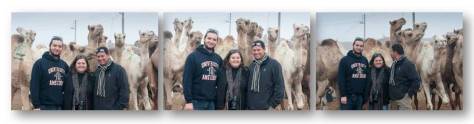


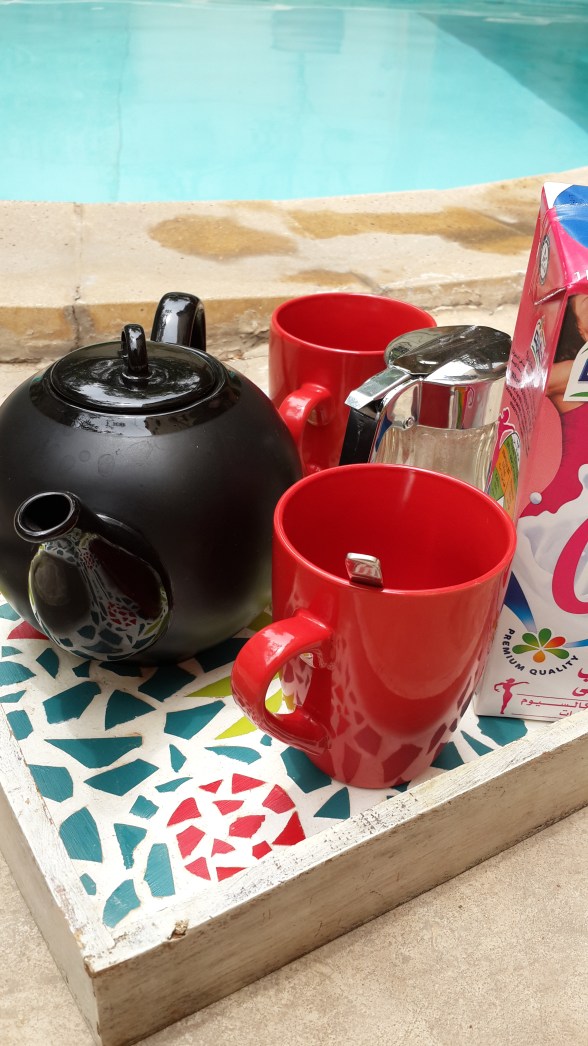
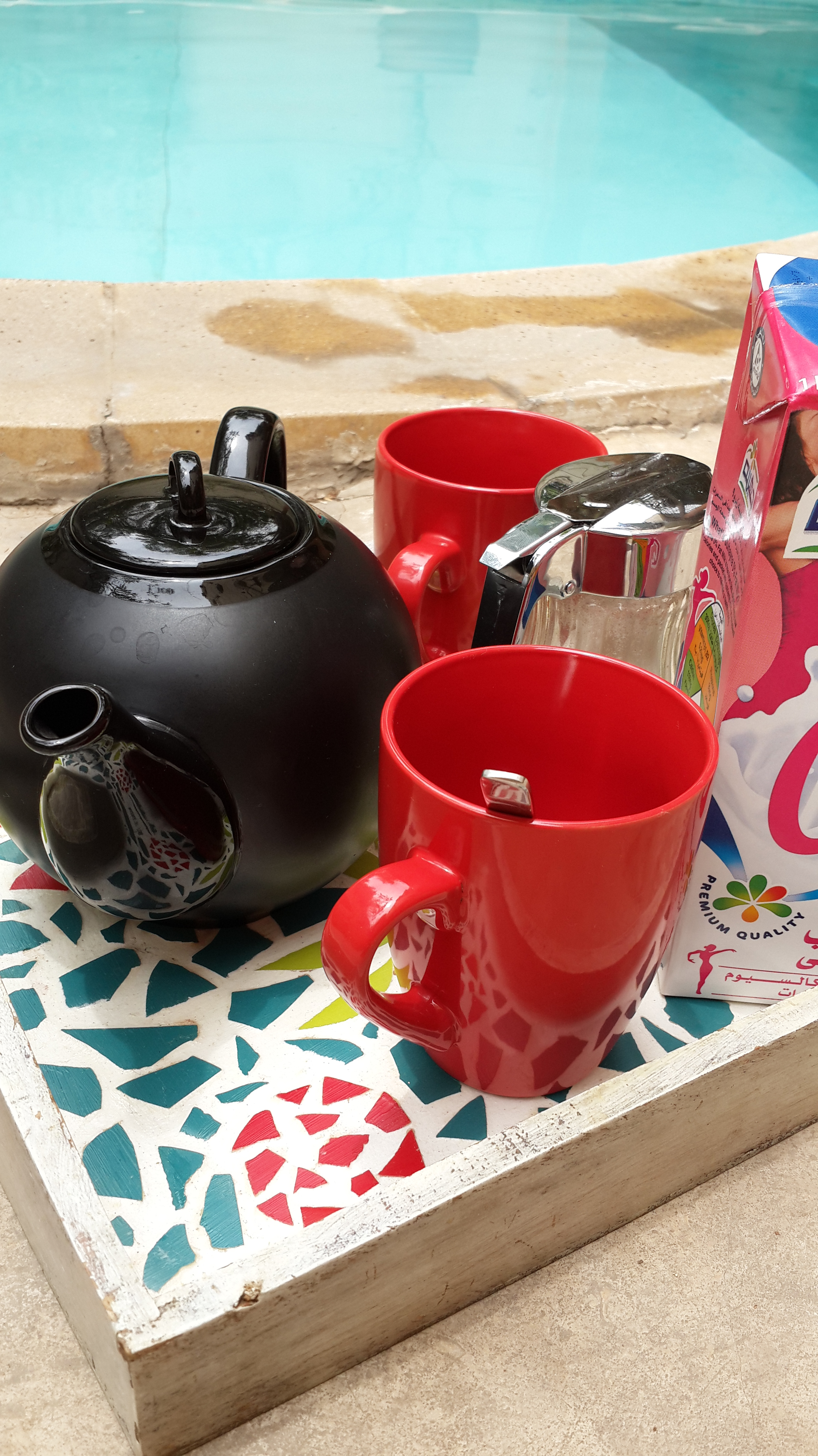
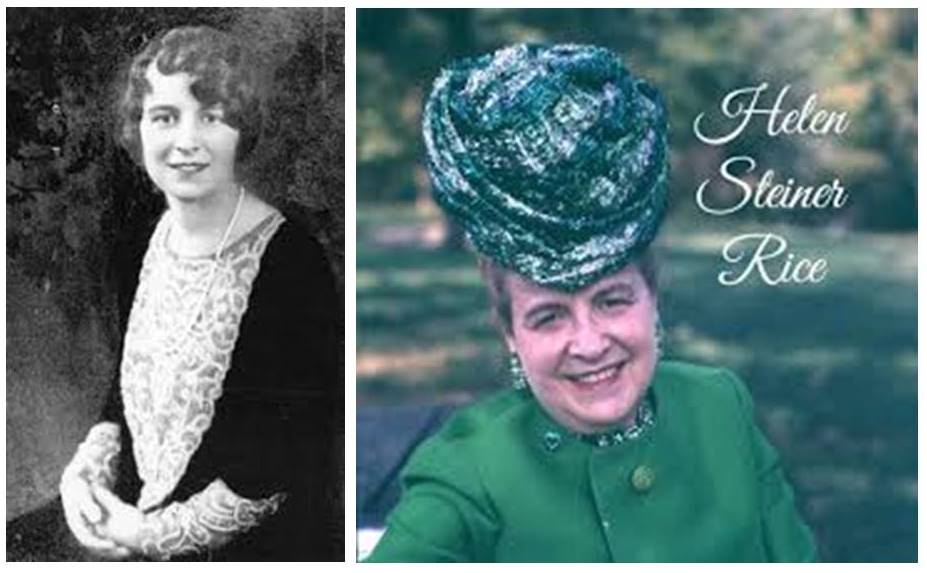
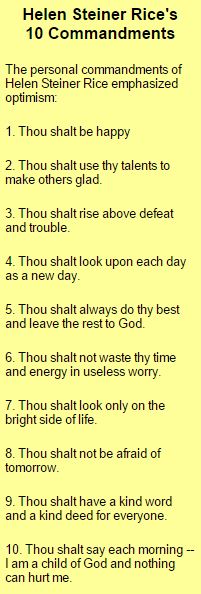





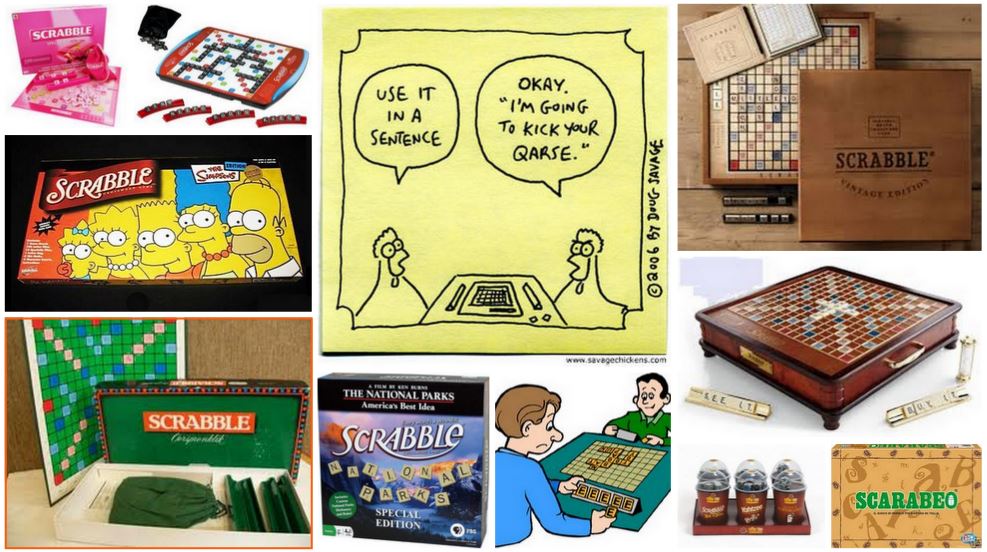

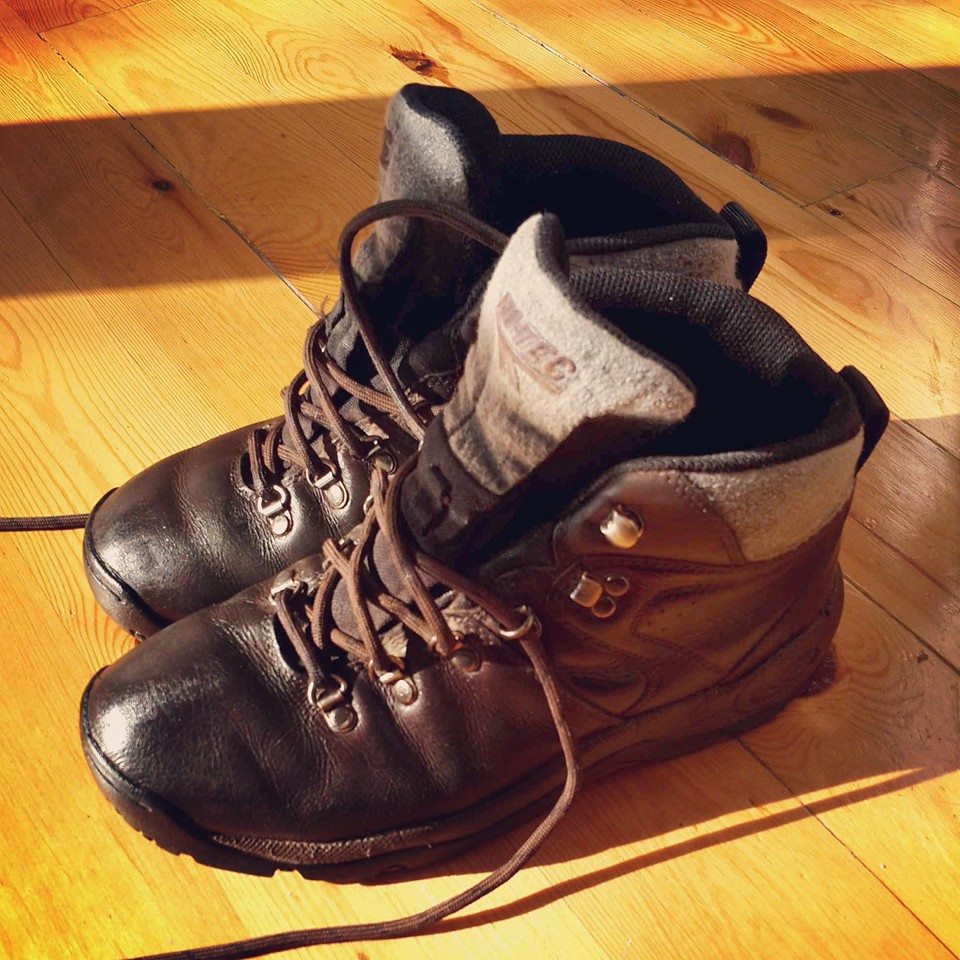


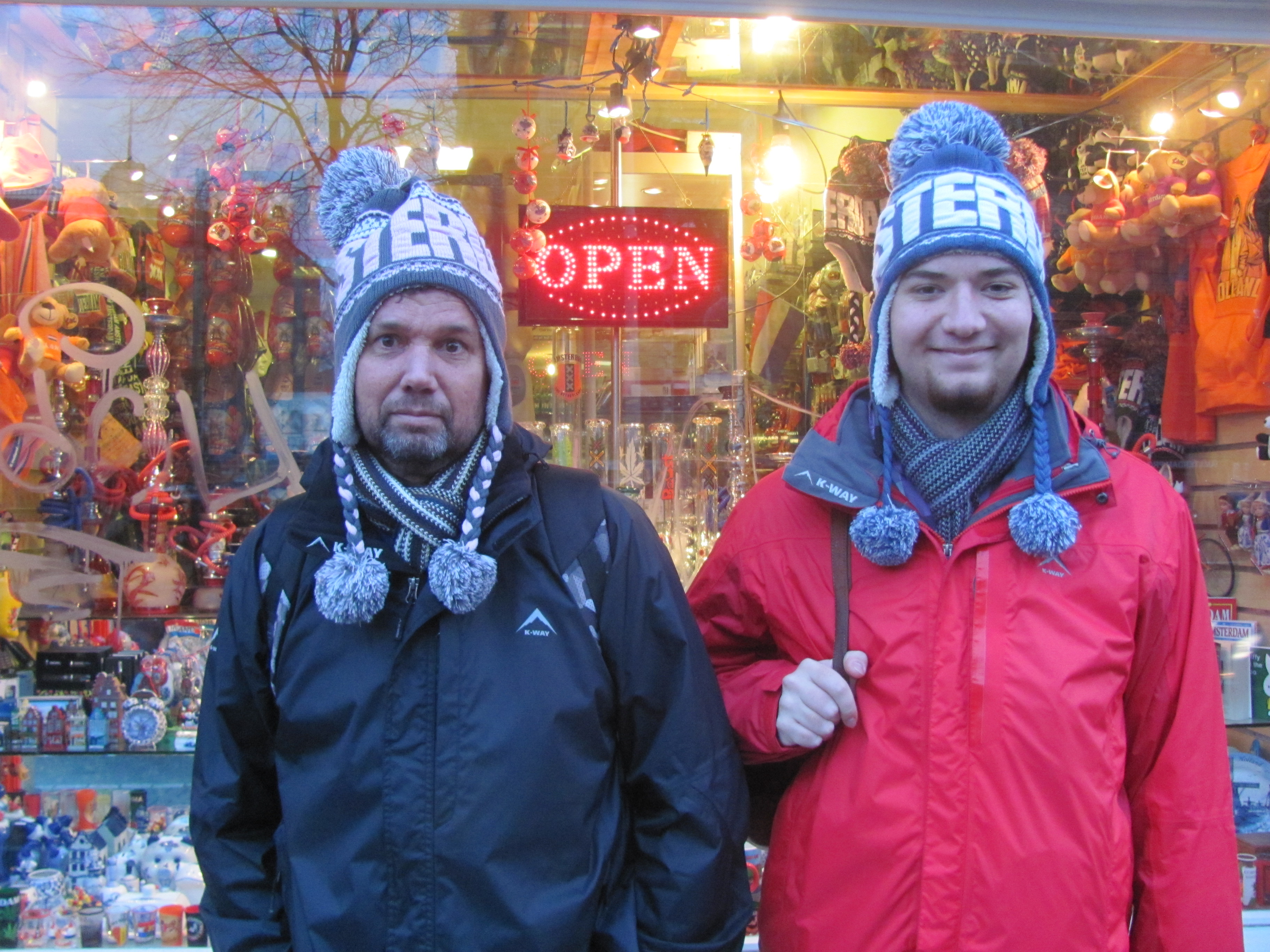


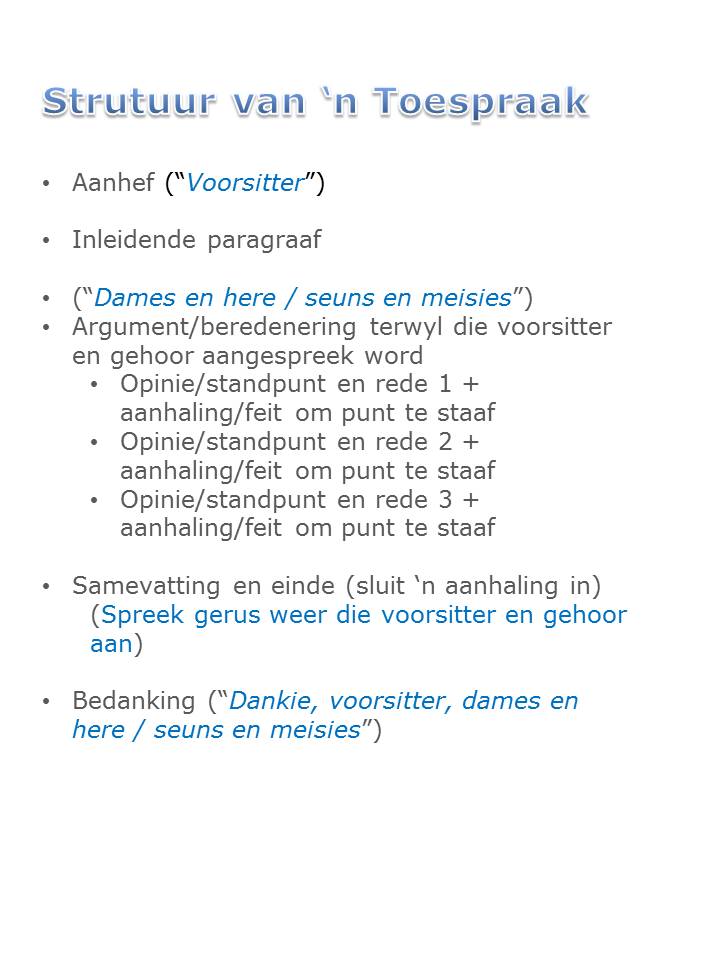

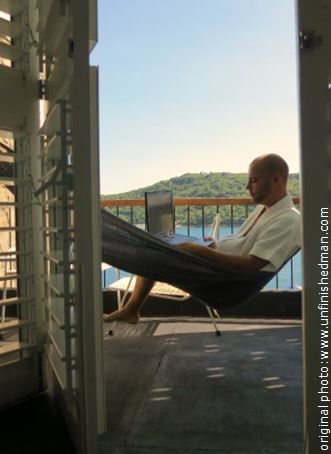



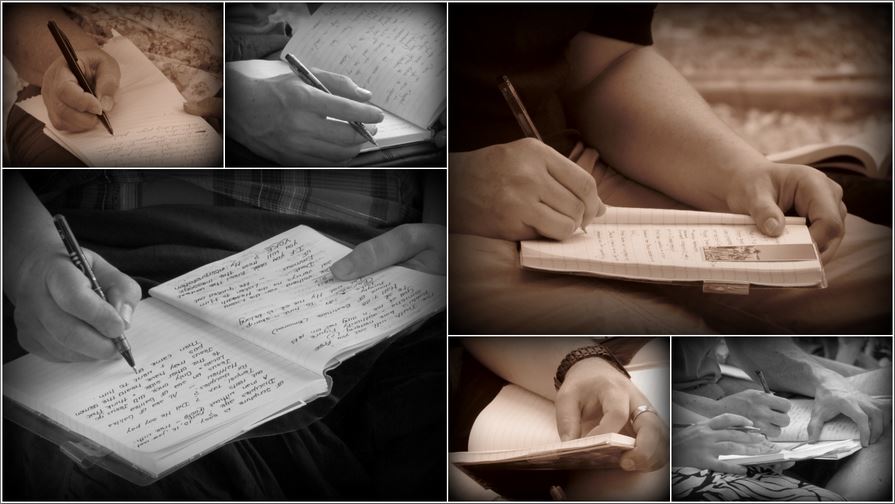
 Fielies (Riëtte) De Kock